Monroeville, AL Neighborhood Guide
Monroeville is a small Southern town with a big reputation. Officially known as the Literary Capital of Alabama, this Monroe County seat is where Harper Lee and Truman Capote grew up, and where the fictional town of Maycomb in To Kill a Mockingbird got its streets, courthouse, and character.
Daily life here moves at an easy pace. With roughly 5,500 to 6,000 residents, Monroeville is the kind of place where neighbors know each other, the courthouse square is still the center of town, and a spring play can draw visitors from around the world. For buyers, that combination is rare: a small-town home base with real cultural identity, affordable housing, and room to spread out, all within about 90 minutes of Mobile, Montgomery, and Pensacola.
If you are weighing a move, this guide covers what you need to decide: where Monroeville sits, what homes cost, which parts of town fit different lifestyles, and what everyday life actually looks like.
Where Is Monroeville?
Monroeville sits in south-central Alabama in Monroe County, roughly halfway between the Gulf Coast and the state capital. It is almost equidistant from three regional hubs, which is one of its most practical advantages for buyers who still need occasional big-city access.
Destination | Approx. Distance | Approx. Drive Time | Main Route |
|---|
Mobile, AL | 88–95 miles | About 1.5 hours | AL-21 S to I-65 S |
Montgomery, AL | 90–95 miles | About 1.5 hours | AL-21 N to I-65 N |
Pensacola, FL | 85–90 miles | 1.5 to 1.75 hours | AL-41 S / US-29 S |
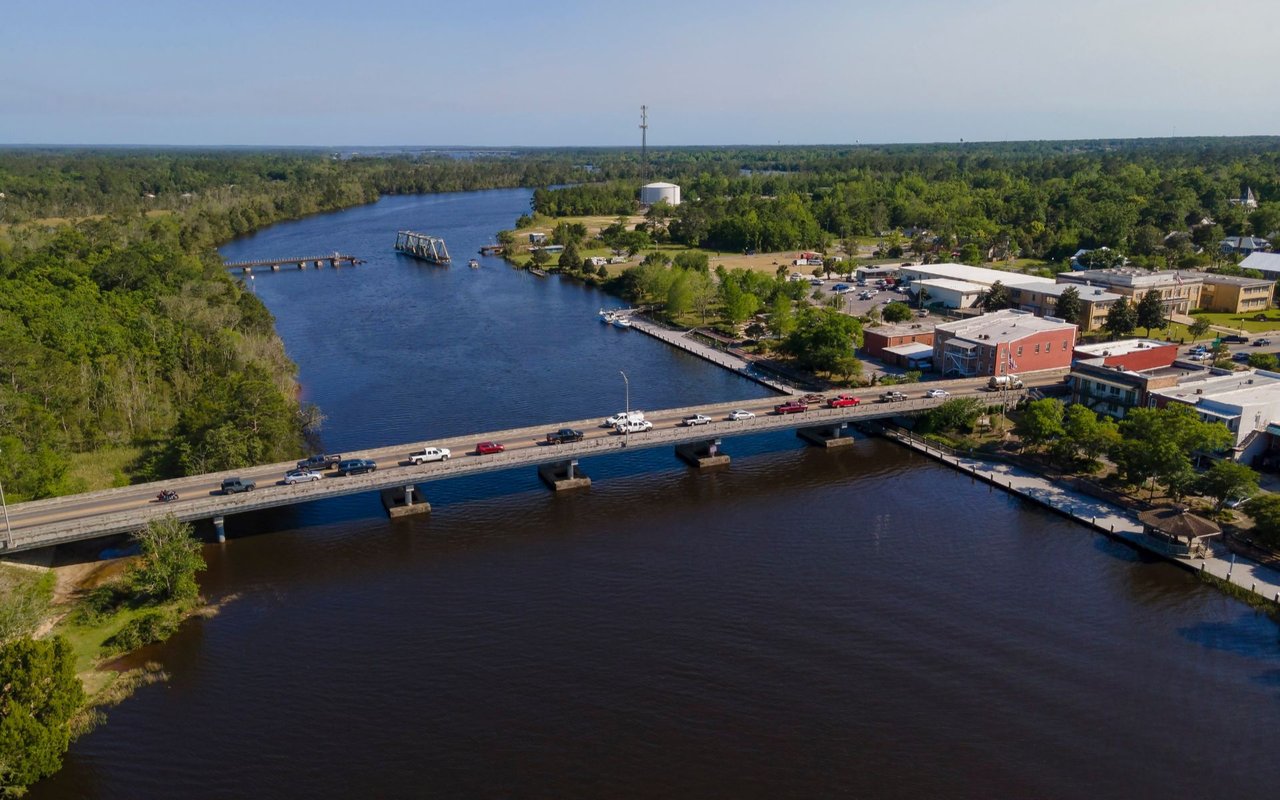
The surrounding landscape is rolling hills and timberland, with the Alabama River to the west. That setting shapes the local lifestyle: hunting, fishing, and acreage ownership are part of everyday conversation here, not weekend novelties. And because the Gulf beaches are less than two hours away, a beach day is an easy trip rather than a vacation.
A Brief History of Monroeville and Monroe County
Monroe County is older than the state of Alabama. It was established in 1815 by Mississippi Territorial Governor David Holmes, four years before Alabama became a state, and named for President James Monroe. The county originally stretched across a large part of southern Alabama before it was divided into smaller counties.
The first county seat was Claiborne, a busy river port on the Alabama River. In 1832, the seat moved inland to a settlement called Centerville, which was later renamed Monroeville to match the county. For most of the 19th and early 20th centuries, the local economy ran on cotton and timber, and the forests that surround town still support a strong forest-products industry today.
The landmark most people picture when they think of Monroeville is the red-brick courthouse on the town square, completed in 1903. It served as the working county courthouse until 1967 and has since been preserved as a museum. For homeowners near downtown, it is more than a backdrop. It anchors the events, foot traffic, and historic character that give the core of town its appeal.
The Harper Lee and Truman Capote Legacy
Few towns can claim one major American author. Monroeville claims two, and they grew up next door to each other on Alabama Avenue during the Great Depression.
Harper Lee was born and raised here, and she drew directly on her hometown for To Kill a Mockingbird, the 1960 novel that won the Pulitzer Prize. Her father, A.C. Lee, was a local lawyer and newspaper editor who inspired Atticus Finch, and Maycomb closely mirrors 1930s Monroeville.
Truman Capote was sent to live with relatives in Monroeville as a young boy and quickly became Lee's close friend. He was the model for Dill Harris in To Kill a Mockingbird, and Monroeville shaped his own work, including his debut novel Other Voices, Other Rooms and the short story "A Christmas Memory." The friendship lasted for decades. Lee famously traveled with Capote to Holcomb, Kansas, as his research assistant for In Cold Blood.
That legacy is still very much alive. Each spring, the Mockingbird Players stage To Kill a Mockingbird, with the second act performed inside the actual courtroom of the Old Monroe County Courthouse. The Monroe County Museum, housed in the same building, keeps permanent exhibits on both authors. For residents, this means a steady stream of visitors, events, and civic pride that most towns this size simply do not have.
Monroeville Real Estate Market Overview
Monroeville's biggest selling point for buyers is value. Homes here cost well below state and national averages, which makes the town a strong fit for retirees, remote workers, first-time buyers, and anyone who wants more house and more land for the money.
Market Indicator | Typical Range |
|---|
Average home value | About $145,000–$148,000 |
Median list price | About $230,000–$248,000 |
Year-over-year appreciation | About 2%–2.5% |
Average days on market | About 60–70 days |
Price per square foot | About $95–$100 |
The gap between the average home value and the median list price is worth understanding. It does not mean homes are overpriced. It reflects the fact that many of the properties currently for sale are larger single-family homes and homes on acreage, which pull asking prices up compared with the overall housing stock.
The pace of the market also favors buyers. With homes typically sitting for two months or more, you generally have time to tour, compare, inspect, and negotiate without the pressure of bidding wars. Steady, modest appreciation points to a stable market rather than a speculative one, which is exactly what most buyers here are looking for.
Market figures change over time. For current pricing on a specific home or street, ask for an up-to-date comparative market analysis.
Types of Homes for Sale in Monroeville
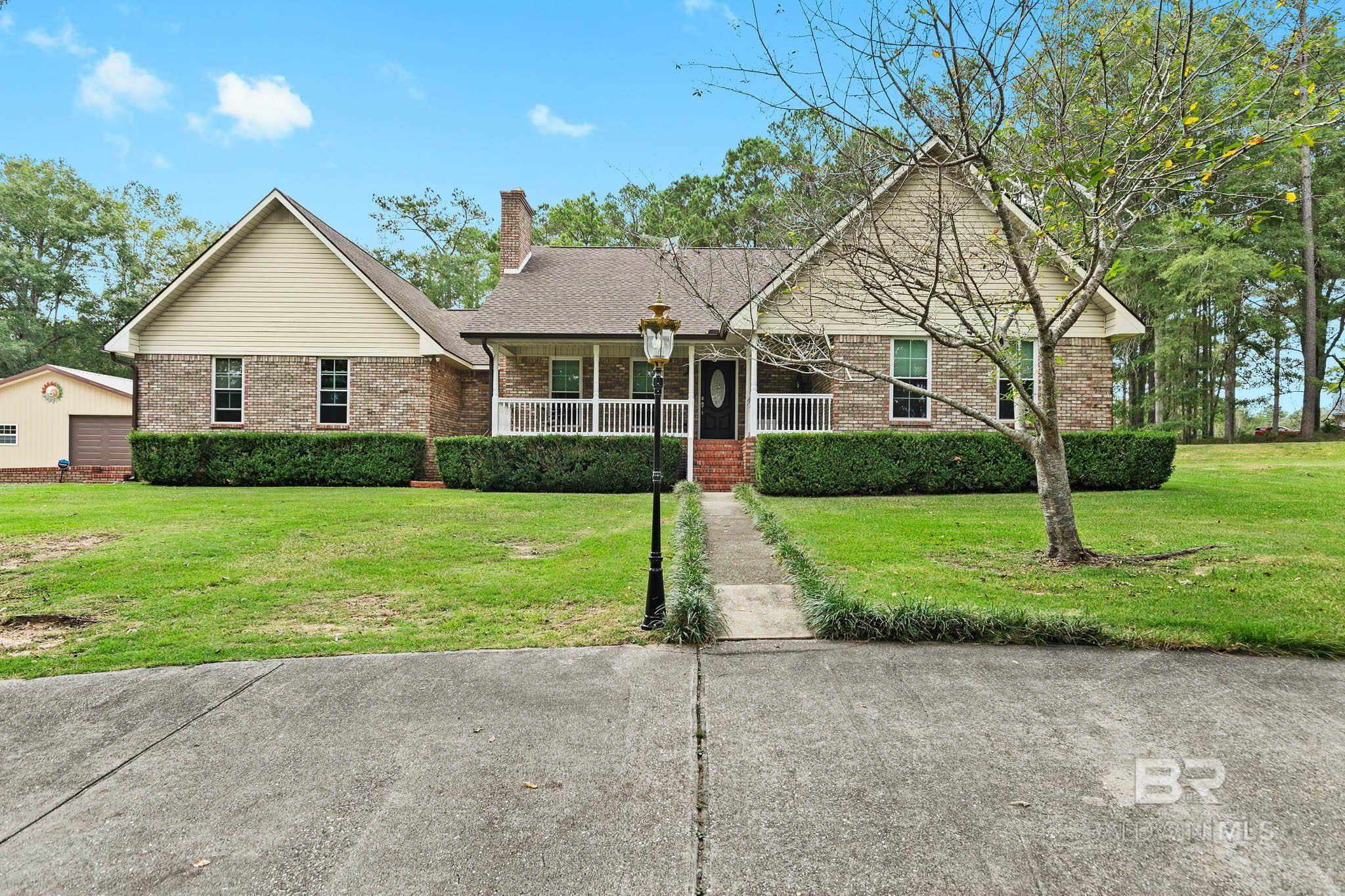
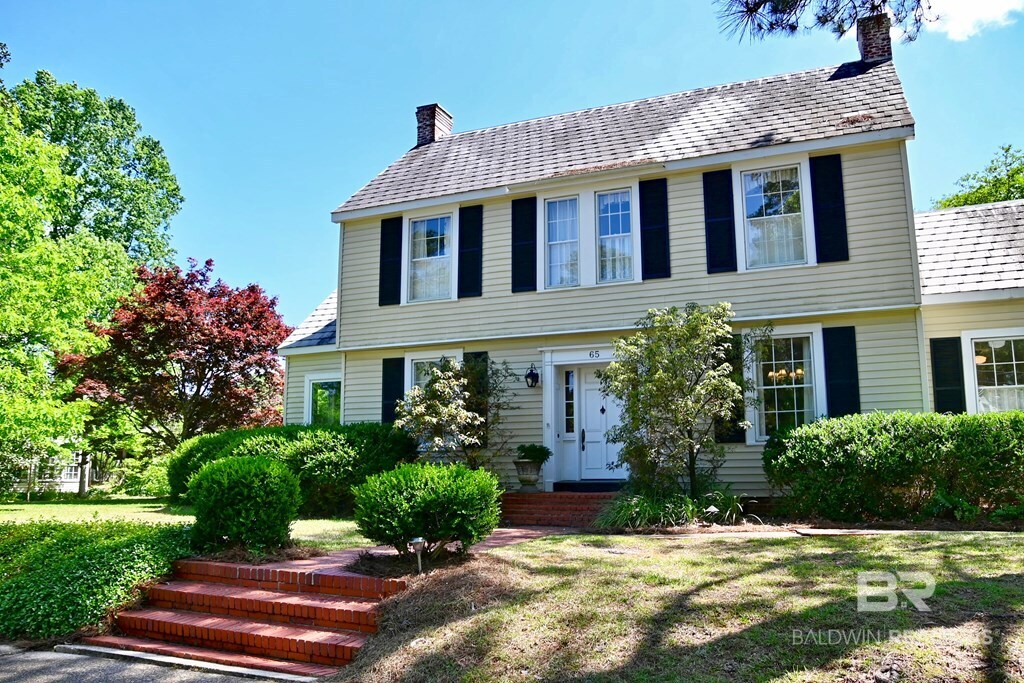
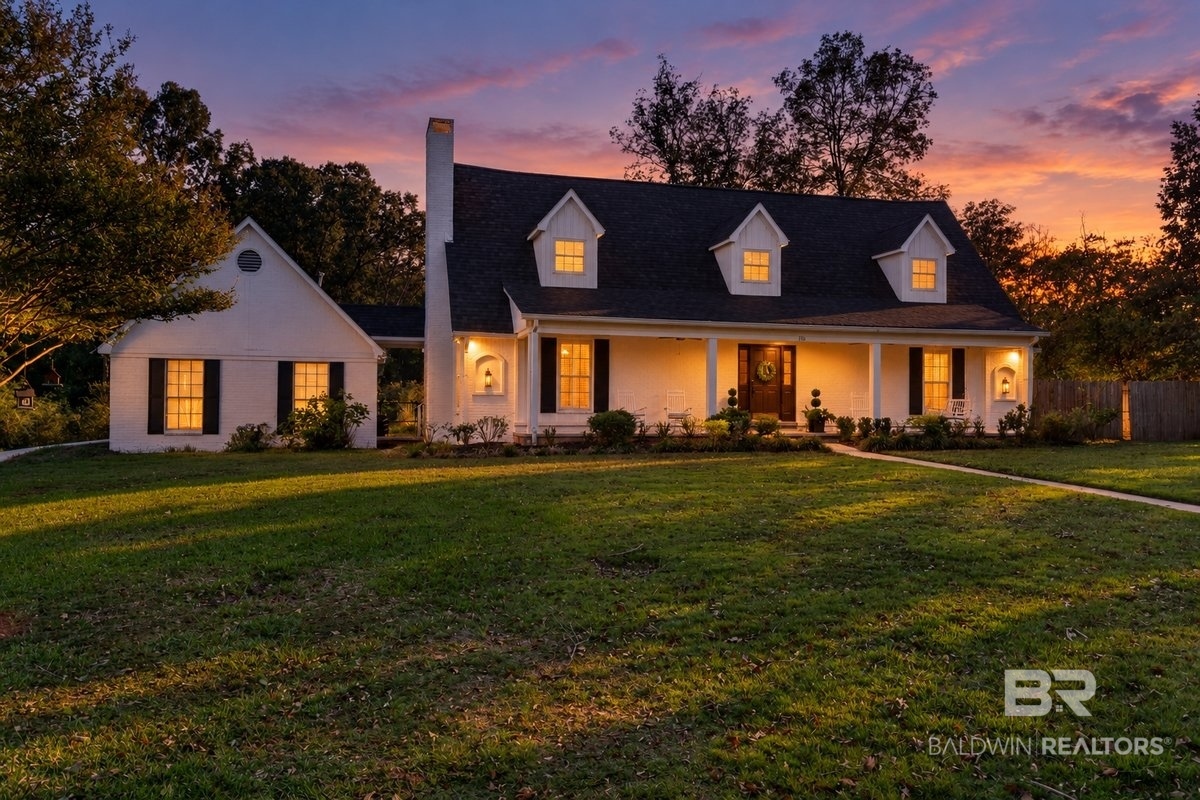
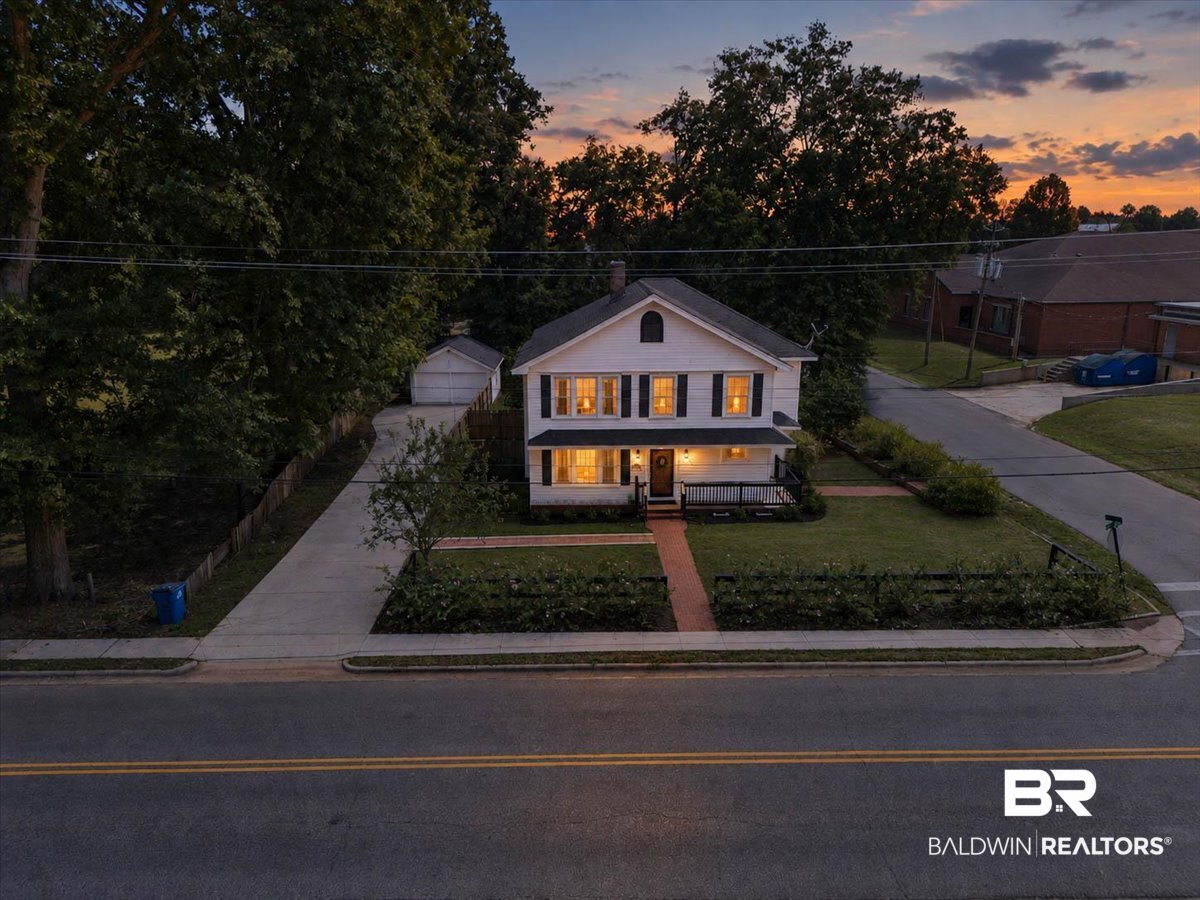
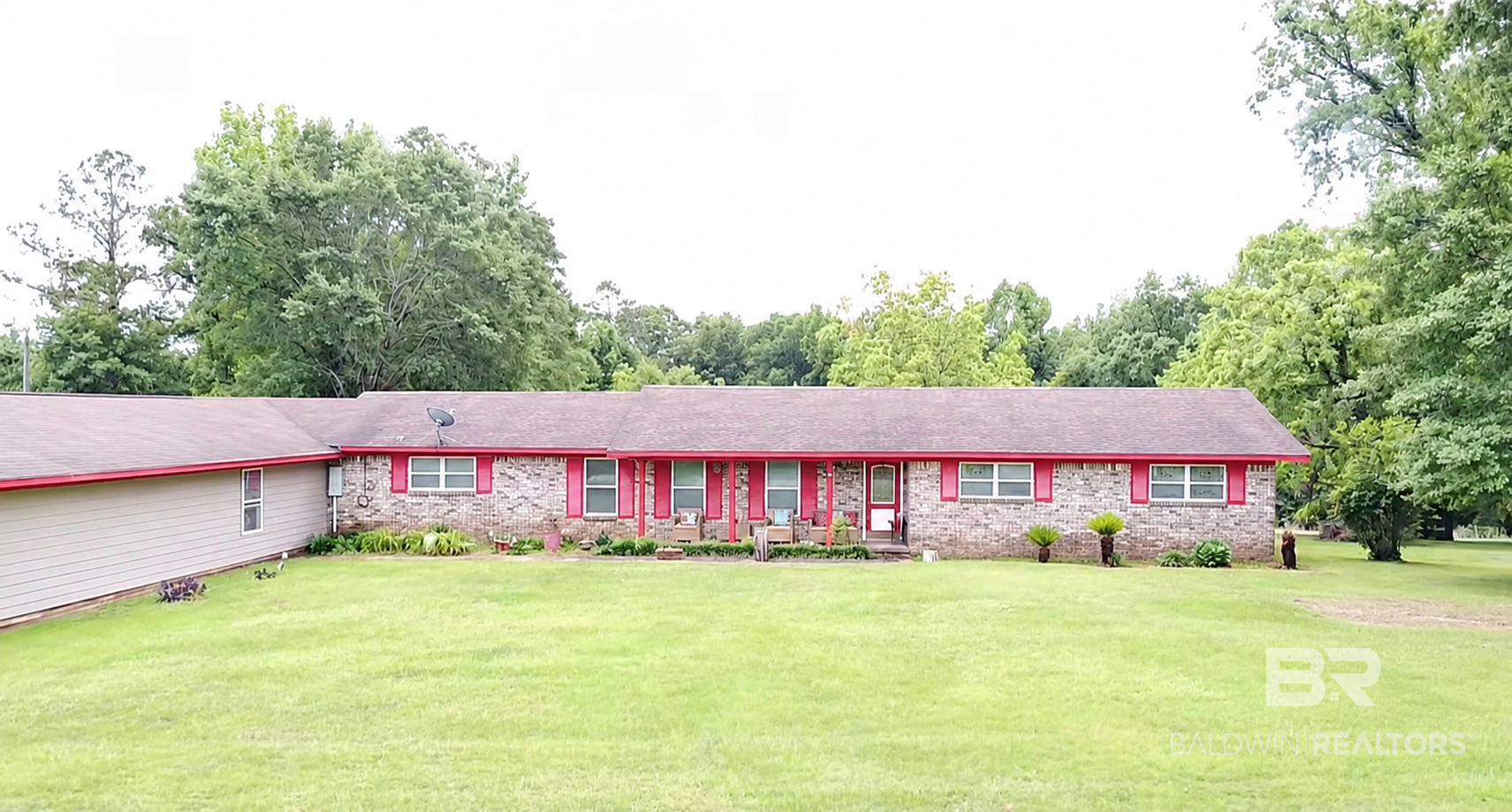
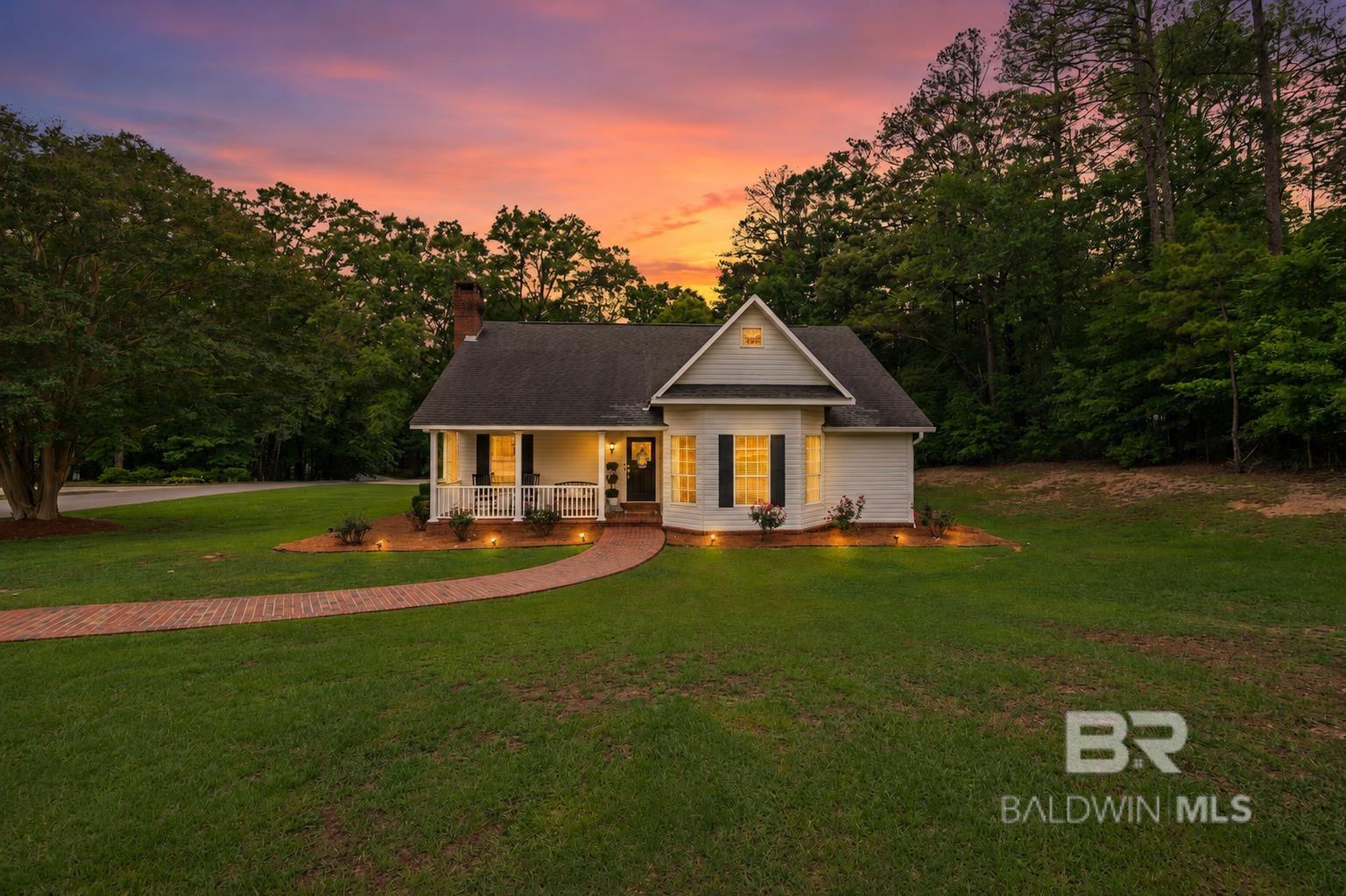
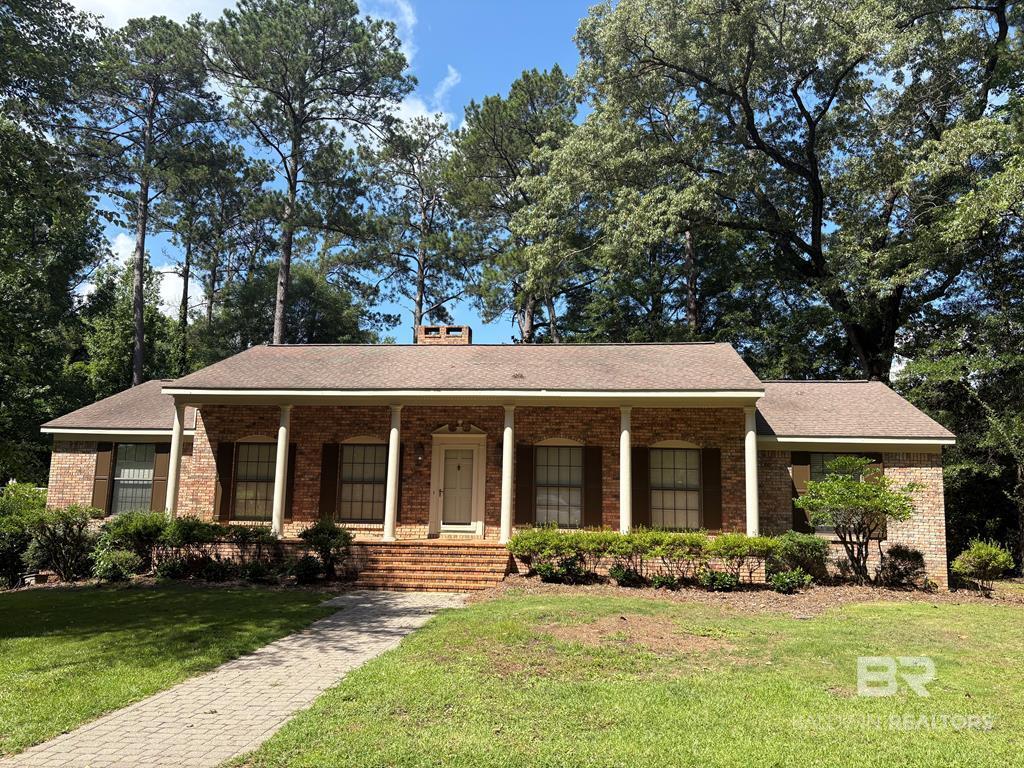
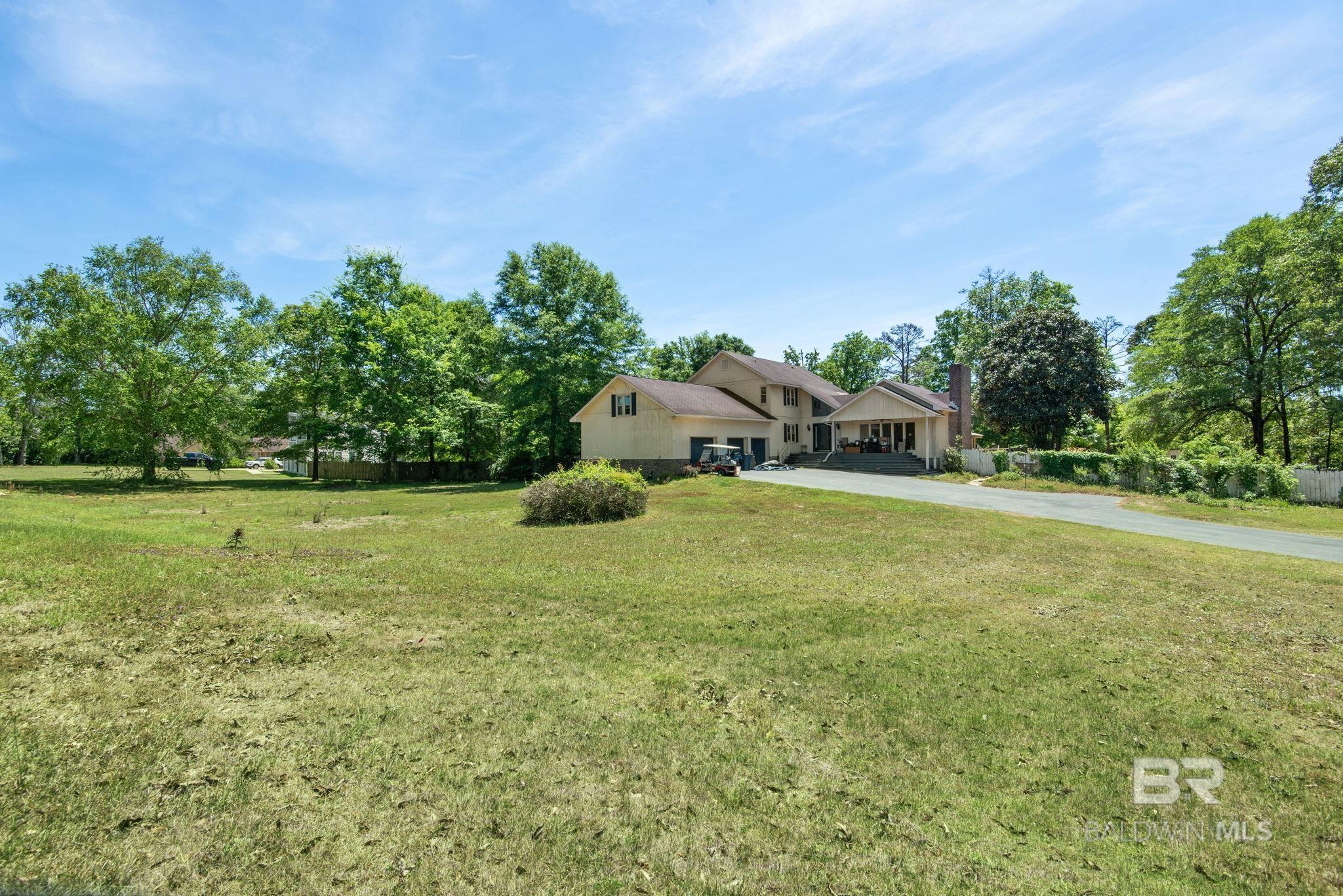
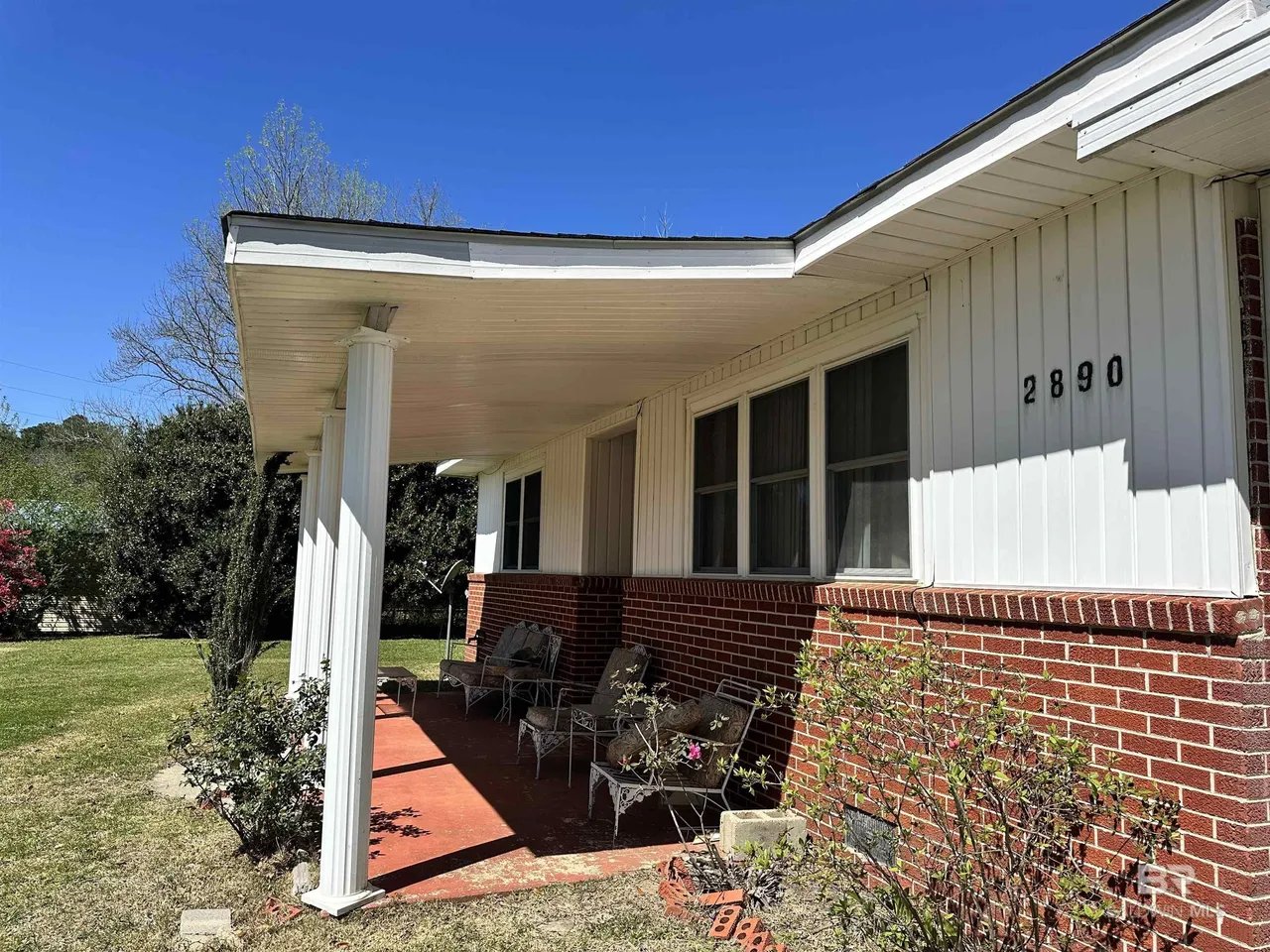
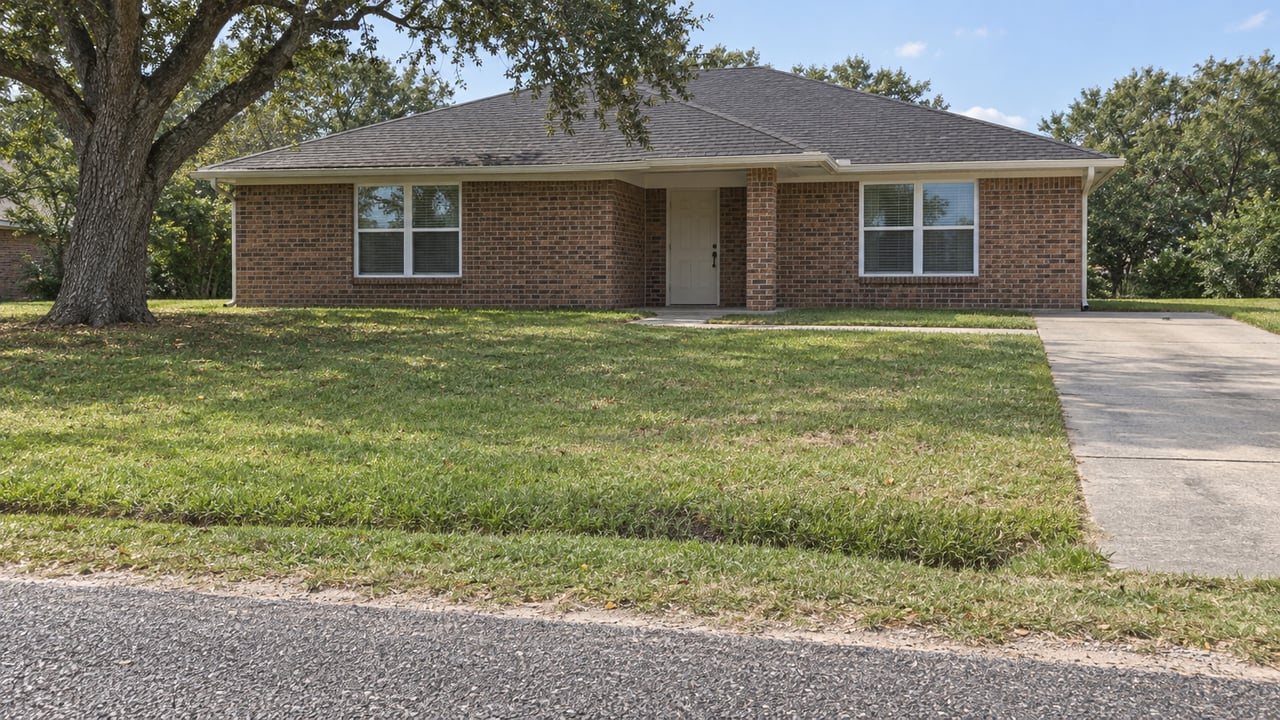
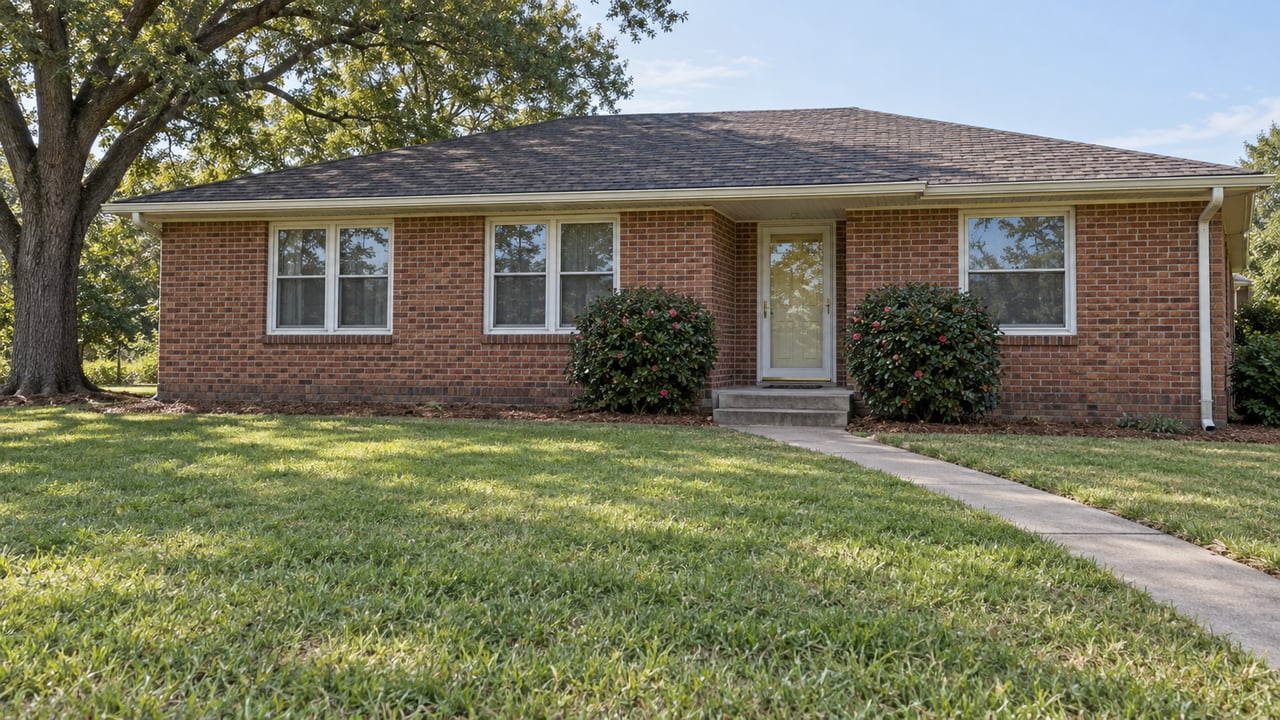
Monroeville grew through agricultural, industrial, and residential eras, and you can see that history in its housing. Within a few minutes' drive, you can move from a 1950s brick ranch to a Craftsman near the square to a custom home on 40 acres.
Home Style | What to Expect | Often a Good Fit For |
|---|
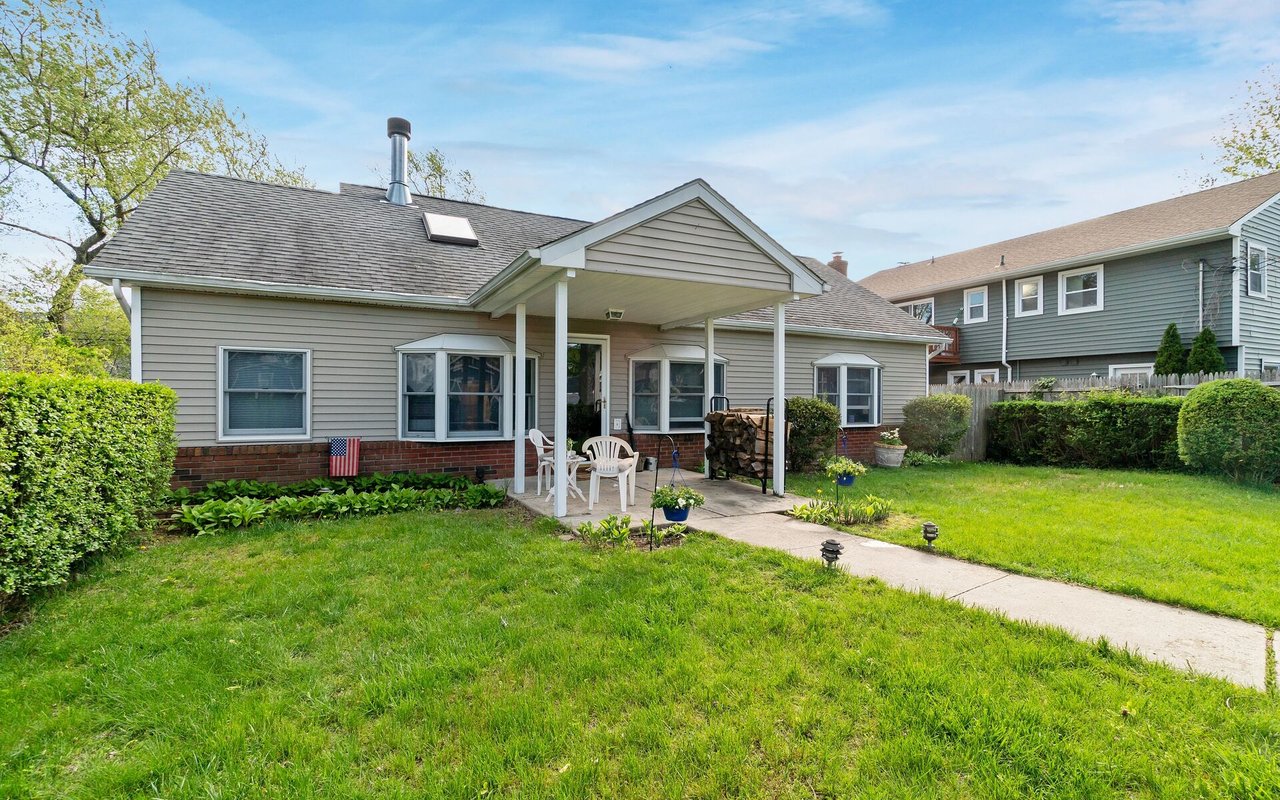
Mid-century ranch | Single-story, brick exteriors, 1,200–2,000 sq. ft., large established yards | First-time buyers, downsizers, small families |
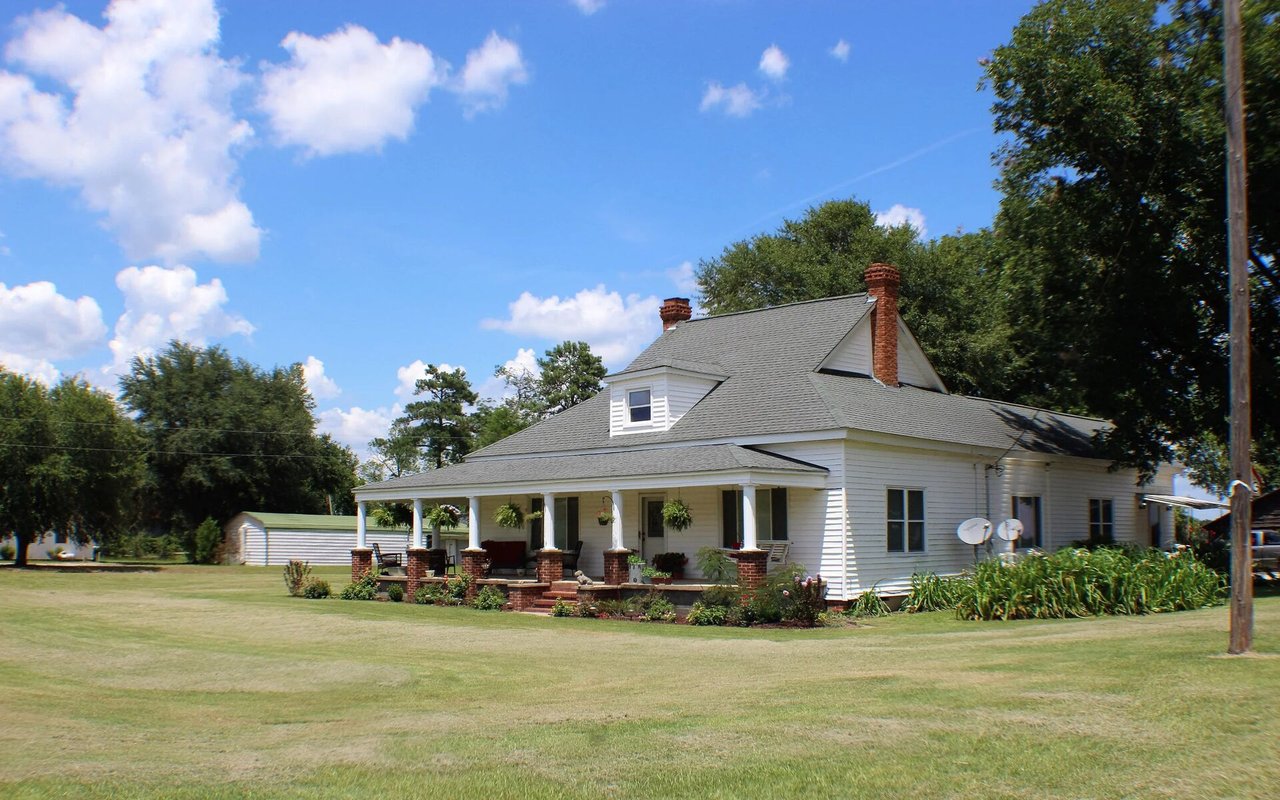
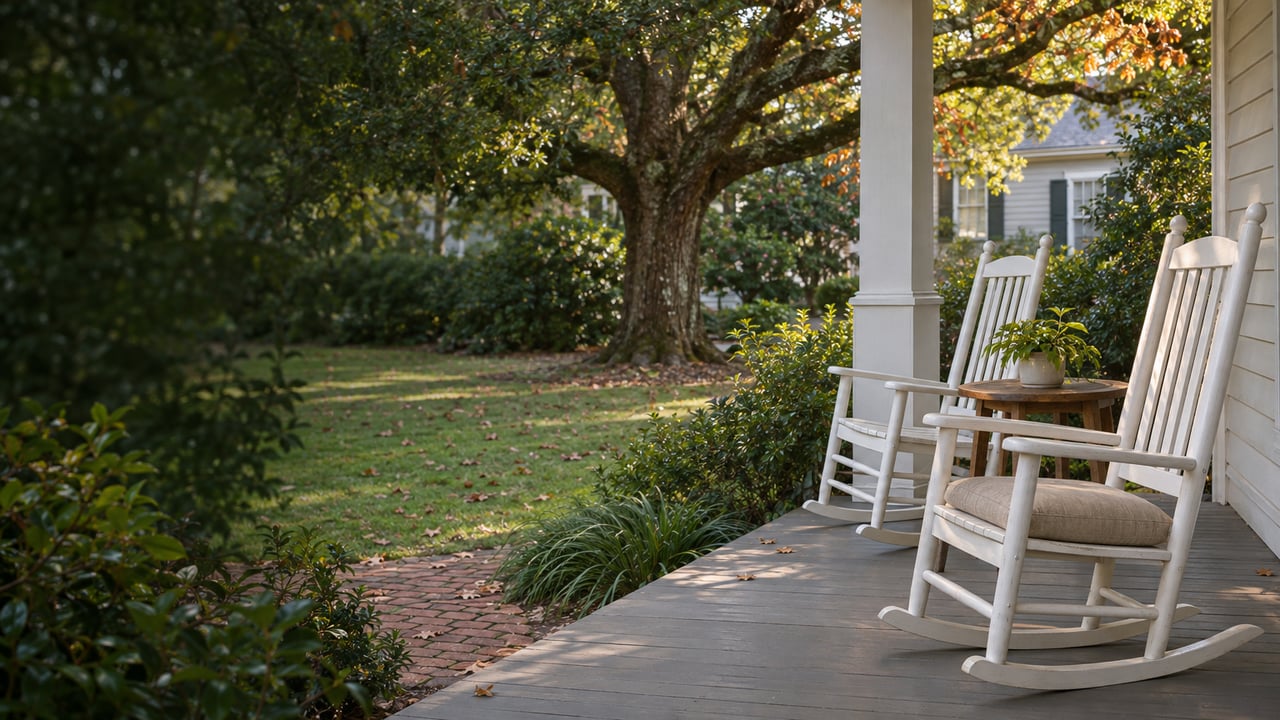
Historic and Craftsman | Early-to-mid 20th century builds, deep porches, original hardwood floors, close to downtown | Buyers who want character or a restoration project |
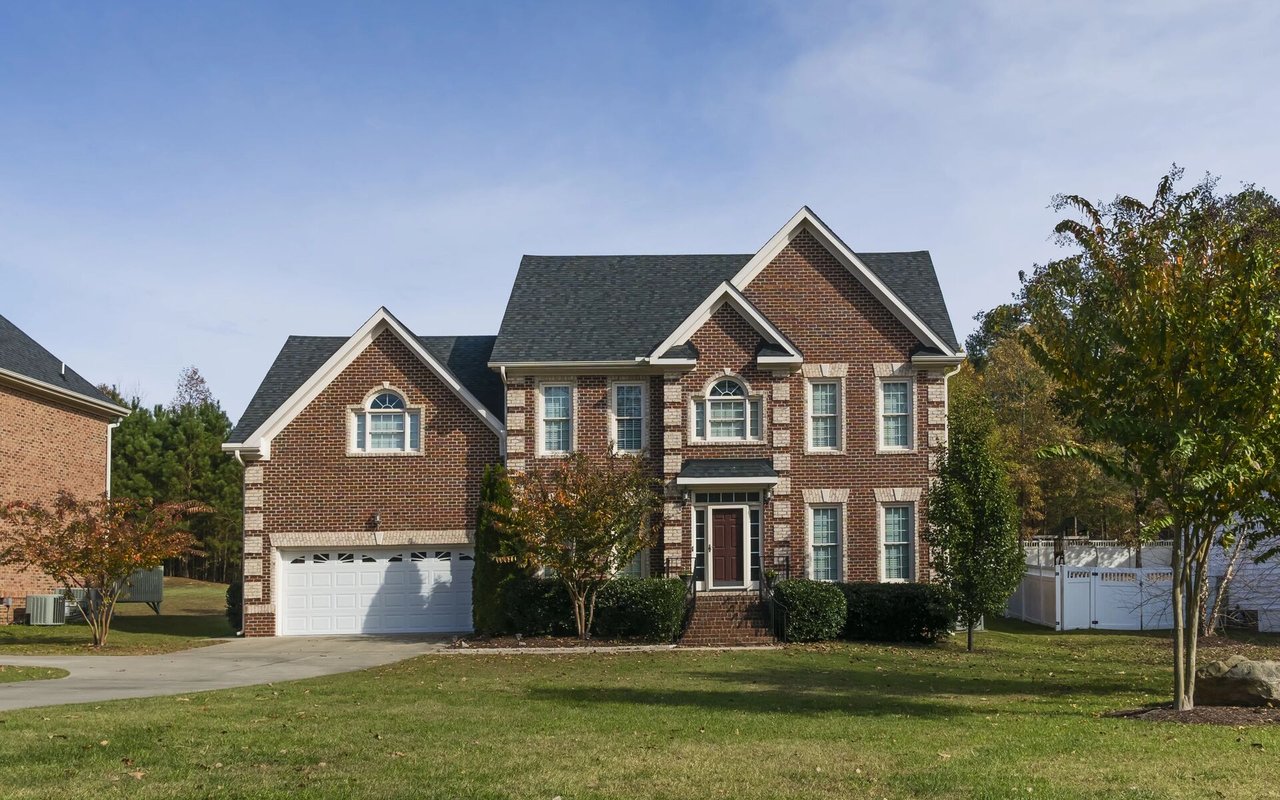
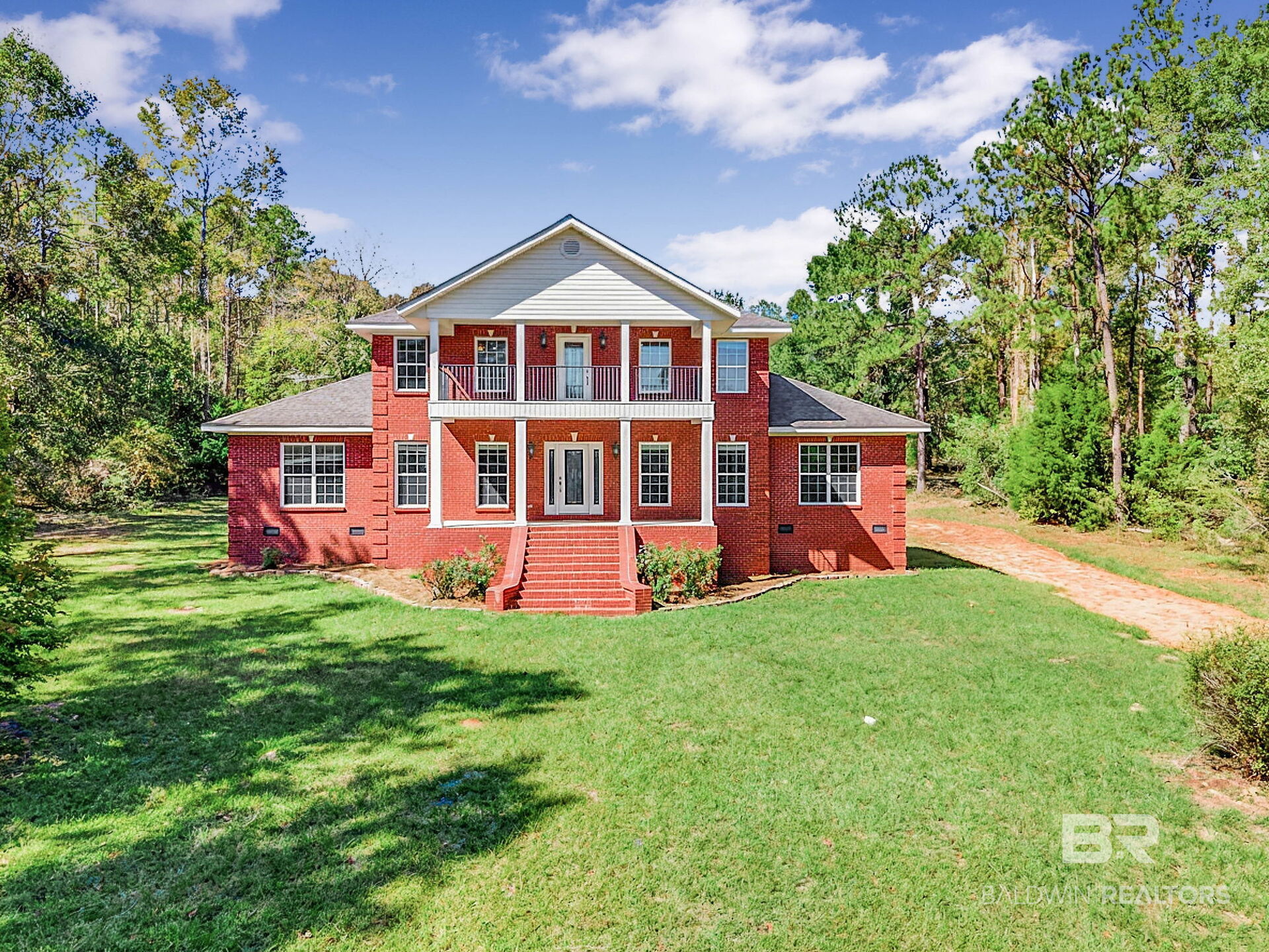
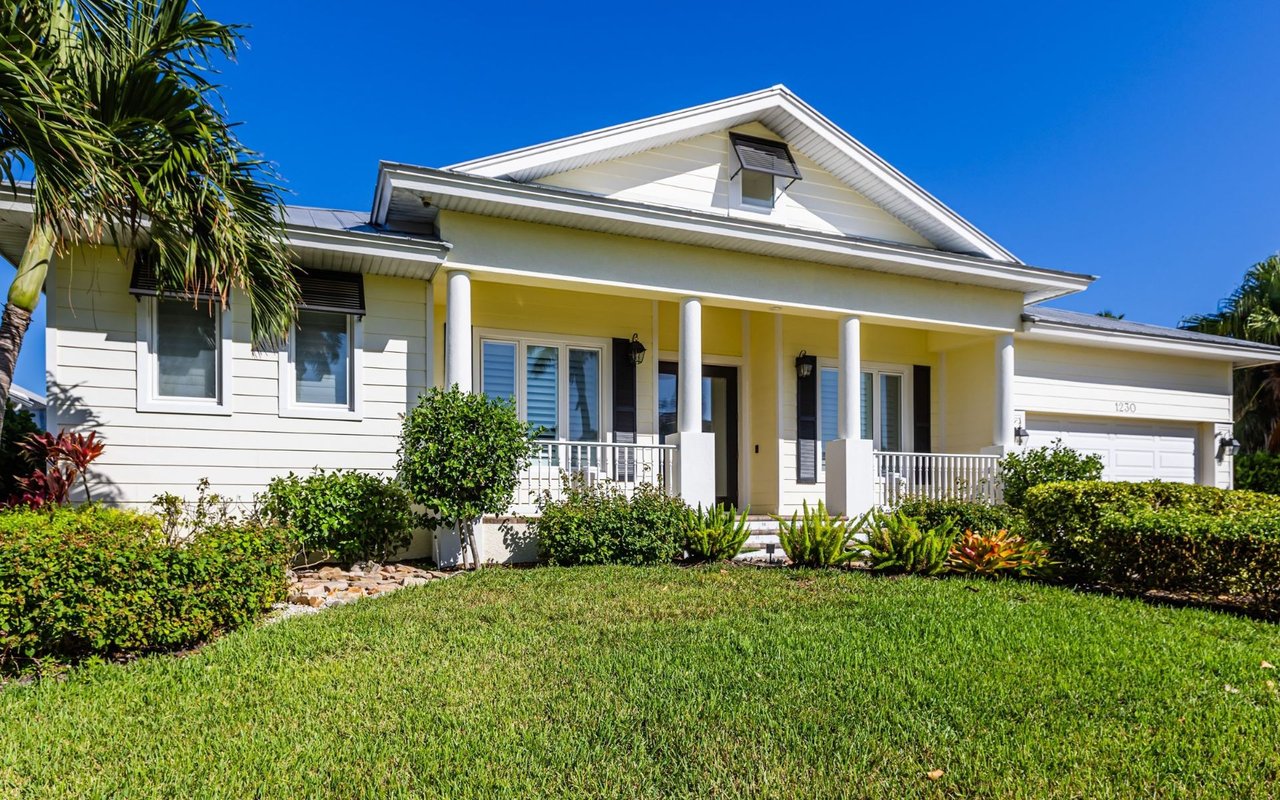
Traditional single-family | 3–5 bedrooms, attached garages, updated kitchens, newer layouts | Growing families who want move-in-ready homes |
Acreage and country estates | 5 to 50+ acres, custom builds, barns and outbuildings | Buyers seeking privacy, homesteading, hunting, or timber land |
Manufactured and modular | Lower entry price, often on large rural lots | Budget-focused buyers or land-first purchases |
A practical tip: if you are looking at older homes near the historic district, budget time for inspections that look closely at roofing, foundations, and original systems. Charm is easy to see. Updates are what determine the true cost.
Popular Neighborhoods and Areas
Monroeville does not have formal, mapped neighborhoods the way a large city does. Instead, locals tend to describe where they live by part of town or highway corridor, and each area offers a noticeably different lifestyle.
Downtown and the Historic District surround the 1903 Courthouse Square. This is Monroeville's walkable core, with vintage homes, mature oak trees, and easy access on foot to shops, the museum, and community events. It suits buyers who want history outside the front door and don't mind more visitor activity during festival and play season.
North and West Monroeville, along the Highway 21 and Highway 84 corridors, is the town's main commercial and residential stretch. You will find mid-century ranch subdivisions, newer infill homes, and quick access to grocery stores, shopping, and medical offices. This is the most convenient choice for buyers who prioritize short errand runs.
East and South Monroeville, around Mt. Pleasant Avenue and the Highway 41 area, leans quieter. Streets are well established, lots tend to be larger and more private, and homes follow a more traditional single-family layout. It is a strong fit for families and buyers who want space without going fully rural.
Frisco City and Uriah, small towns south of Monroeville along AL-21, offer an even more rural setting with lower land costs. Both are roughly 10 to 20 minutes from Monroeville's core, making them a good option for buyers who want a homestead or farm property but still want town amenities within reach.
Outlying Monroe County covers the large acreage properties bordering timberland and the Alabama River. This is where buyers look for custom builds, agricultural use, or private hunting land.
Cost of Living in Monroeville, AL
Overall, living in Monroeville runs about 15% to 20% below the national average, and housing is the main reason why.
Rents for standard apartments and small single-family rentals generally fall around $700 to $810 per month, which is roughly 55% to 58% below the national average. On the ownership side, typical single-family values range from about $145,000 to $220,000 depending on size, condition, and land. Alabama's low property tax rates help keep long-term ownership costs manageable, even on larger homes and acreage, which is a meaningful advantage over many other states.
Groceries and everyday goods generally run about 5% to 10% below national averages, in line with rural Alabama. Utilities track regional Southern norms: expect higher electric bills during the hot, humid summer months, balanced out by mild winters with low heating demand.
Transportation is where you should plan carefully. Public transit is minimal, so a personal vehicle is essential. Alabama's lower fuel taxes keep gas prices below national benchmarks, but regular trips to Mobile or Pensacola for specialized care or larger shopping add mileage and wear over time. Factor that into your budget if you expect to travel regionally often.
Schools and Education in Monroeville
Public education in Monroeville is provided by the Monroe County school system. Students in town typically attend Monroeville Elementary School, Monroeville Middle School, and Monroe County High School. Families in surrounding rural communities may be served by county schools such as Excel High School in Excel and J.U. Blacksher School in Uriah.
For families considering private education, Monroe Academy is a co-educational college-preparatory school in Monroeville serving Pre-K through 12th grade.
Higher education is available right in town at the Monroeville campus of Coastal Alabama Community College, which offers associate degrees, academic transfer programs, and workforce training. Having a college campus locally is a real benefit for graduating seniors who want to start college close to home and for adults looking to retrain or advance their careers.
School zoning can vary by address. Always confirm assigned schools for a specific property before making an offer.
Things to Do in Monroeville
Life in Monroeville revolves around its history, its outdoor setting, and the calendar of community events centered on the square.
The Monroe County Museum in the Old Courthouse is the town's signature attraction, with exhibits on Harper Lee, Truman Capote, and the history of Monroe County. Around downtown, historical markers and literary landmarks make for an easy self-guided walking tour, and murals around the square reflect local stories and themes from the town's literary past.
The event that defines the year is the spring production of To Kill a Mockingbird by the Mockingbird Players, with Act II staged inside the historic courtroom. Locals often say you haven't fully experienced Monroeville until you've seen it. The town also hosts literary programming that brings Southern authors and readers together, along with seasonal parades, farmers markets, and holiday events around the square.
For outdoor recreation, the Alabama River is a short drive west, with boat ramps, bass fishing, kayaking, and camping. Claiborne Lock and Dam is a popular spot for fishing, birdwatching, and river views. Combined with the surrounding timberland, it's easy to see why so many buyers here are drawn to hunting land and acreage.
Dining and Shopping in Downtown Monroeville
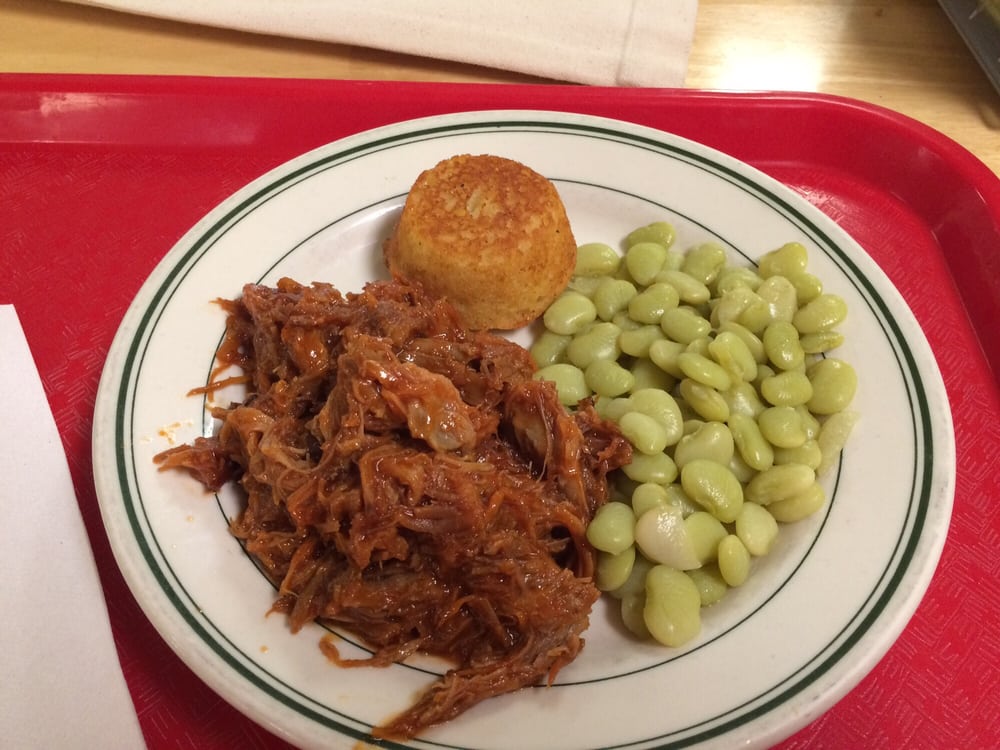
Dining in Monroeville leans toward home-style Southern cooking. Local favorites such as David's Catfish House serve classic fried catfish, Gulf seafood, and Southern sides, while Mel's Dairy Dream is the old-school stop for burgers and milkshakes. Around the square, you'll find small cafés and local eateries that feed the downtown lunch crowd and the visitors who come in for museum tours and the spring play.
Shopping downtown is independent and local. Expect boutiques carrying apparel, home décor, and regional gifts, along with antique shops, craft stores, and local jewelers. The museum gift shop in the Old Courthouse is the go-to spot for To Kill a Mockingbird memorabilia, books, and Southern handmade items.
For buyers, a lively downtown matters. Independent shops and restaurants around the square help support the historic district's appeal and give residents a place to gather that chain-store corridors can't replace.
Healthcare and Everyday Amenities
Even with its small population, Monroeville is the medical, commercial, and government hub for Monroe County, which means many daily needs are handled right in town.
Monroe County Hospital provides 24/7 emergency services, inpatient care, radiology, physical therapy, and surgical procedures. The town also has primary care physicians, family clinics, dental practices, optometrists, and physical therapy providers. For long-term care, facilities such as Monroe Manor Health and Rehabilitation Center offer skilled nursing and rehabilitation services. For highly specialized care, residents typically travel to Mobile, Montgomery, or Pensacola.
Everyday shopping is concentrated along the Highway 21 corridor, including a Walmart Supercenter, regional grocery markets, and discount retailers like Dollar General and Family Dollar. Hardware and home supplies are easy to find locally, which is a real convenience for owners of older homes and rural properties. Downtown is home to county offices, state courts, the Monroe County Public Library, and local bank branches.
Getting Around in Monroeville
Monroeville is a car-dependent town, and most residents drive for work, errands, and regional travel. The good news is that local trips are short. Most residents can reach schools, medical offices, or downtown in about 5 to 12 minutes.
Three main roads shape how you get around. U.S. Route 84 is the main east-west route, connecting Monroeville to Grove Hill to the west and Evergreen to the east. Alabama State Route 21 runs north-south through town toward Montgomery to the north and Atmore and Mobile to the south. Alabama State Route 41 heads south toward Brewton and on to Pensacola, which makes Gulf Coast trips straightforward.
Interstate 65 doesn't pass through Monroeville. Residents typically reach it via U.S. 84 East at Evergreen (Exit 93). Regional commutes to Mobile, Montgomery, or Pensacola run about 1.5 hours each way, so living in Monroeville while working full-time in a metro area is a significant commitment. It works best for remote workers, local employees, and retirees.
Ride-share services and fixed-route public transit are very limited. Demand-response rural transit is available through regional programs, mainly for seniors and medical appointments, and usually requires booking ahead. For air travel, the closest commercial airports are Mobile Regional (MOB), Montgomery Regional (MGM), and Pensacola International (PNS). Monroeville's local airport (MVC) serves private aviation.
Why Buy a Home in Monroeville, AL?
Monroeville makes the most sense for buyers who want space, affordability, and a real sense of place more than they want big-city convenience.
The value is hard to match. With average home values in the mid-$140,000s and low Alabama property taxes, buyers get more square footage and more land per dollar than in most markets in the country. The market's steady pace and modest appreciation offer stability rather than speculation.
The town also has an identity that sets it apart from other small Alabama communities. The historic courthouse, the annual To Kill a Mockingbird production, and the literary heritage of Harper Lee and Truman Capote give Monroeville a cultural life that keeps downtown active and residents connected.
Location rounds it out. Being roughly 90 minutes from Mobile, Montgomery, and Pensacola means beaches, airports, and specialized services are always within a day trip, while the surrounding countryside offers hunting, fishing, boating, and room to build or homestead. For many buyers, Monroeville offers the best of both: a quiet home base with the region within reach.
Work With Charles Kelley, Your Monroeville Real Estate Agent
Buying or selling in a small market like Monroeville takes more than listing data. It takes someone who knows how acreage is valued, which older homes need a closer look, and how a property's location along Highway 21, Highway 84, or out in the county affects both lifestyle and resale. Charles Kelley is a Brewton-based REALTOR®, licensed in both Alabama (AL: 156325) and Florida (FL: SL3567433), with experience helping buyers and sellers across southwest Alabama and the Florida Panhandle, including nearby Evergreen. His clients consistently point to his responsiveness, honesty about property condition, and patient guidance, especially for first-time buyers. Whether you're searching for a historic home near the Courthouse Square, a family home in an established part of town, or acreage in rural Monroe County, Charles can help you find the right fit and move forward with confidence. Call him at (251) 286-8005 or email [email protected] to start your Monroeville home search today.