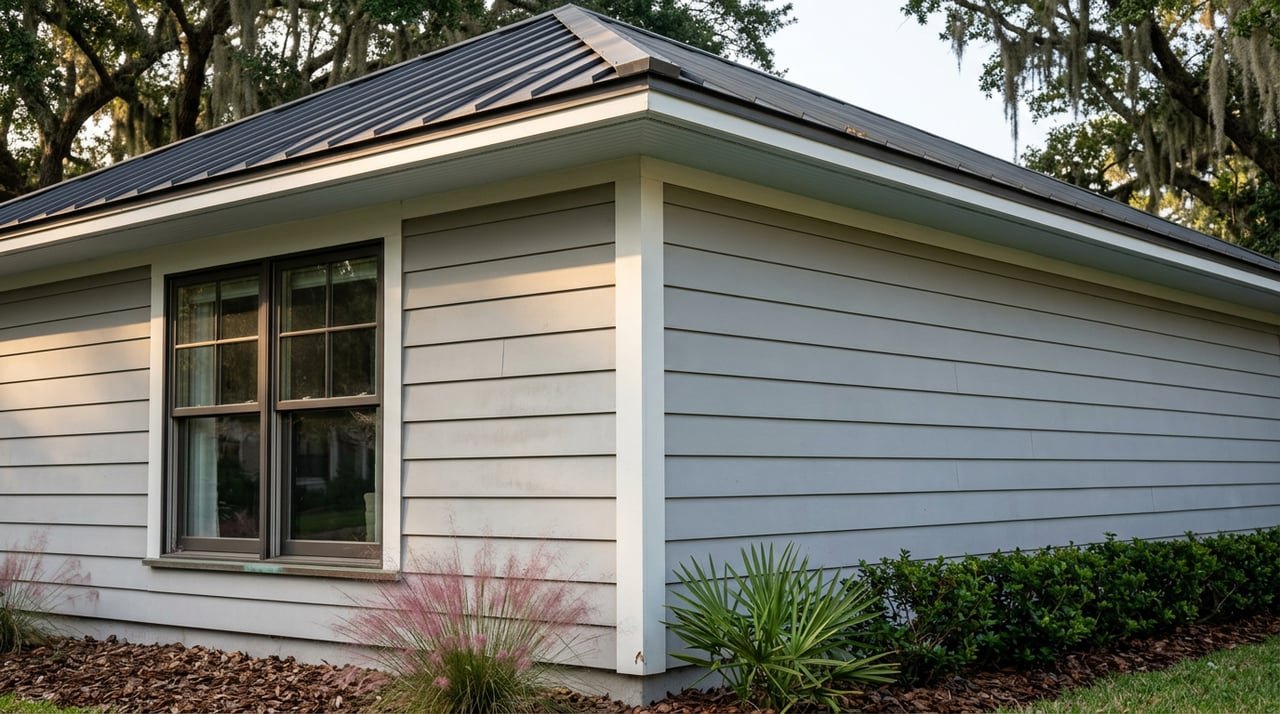
Two years ago, a buyer under contract on an Escambia County home could treat homeowners insurance as a last-week errand. Call a broker, get a quote, bind the policy, close on Friday. That order of operations no longer works here. The rules that govern wind mitigation reports, roof underwriting, claim windows, and carrier availability all shifted between late 2024 and mid 2026, and the change most likely to blow up a Pensacola closing is not the appraisal or the general inspection. It is the week you order the wind mit and 4-point.
The thesis is simple: in the 2026 Pensacola market, insurance is a scheduling problem, not a pricing problem. Buyers who treat it as pricing lose deals. Buyers who treat it as scheduling close on time and often pay less.
The one week that decides your closing
The option period is where insurance is won or lost. Not because rates are negotiated there, but because every downstream carrier decision depends on paperwork that has to exist before an underwriter will bind. Order the following in parallel, not in sequence:
- General home inspection.
- Wind mitigation inspection on the updated OIR-B1-1802 form.
- 4-point inspection if the home is 25 years or older, covering roof, HVAC, electrical, and plumbing.
- Roof condition letter if the covering is more than about ten years old, even if you are not required to have one.
- Independent broker quote request for homeowners, wind, and flood as a package.
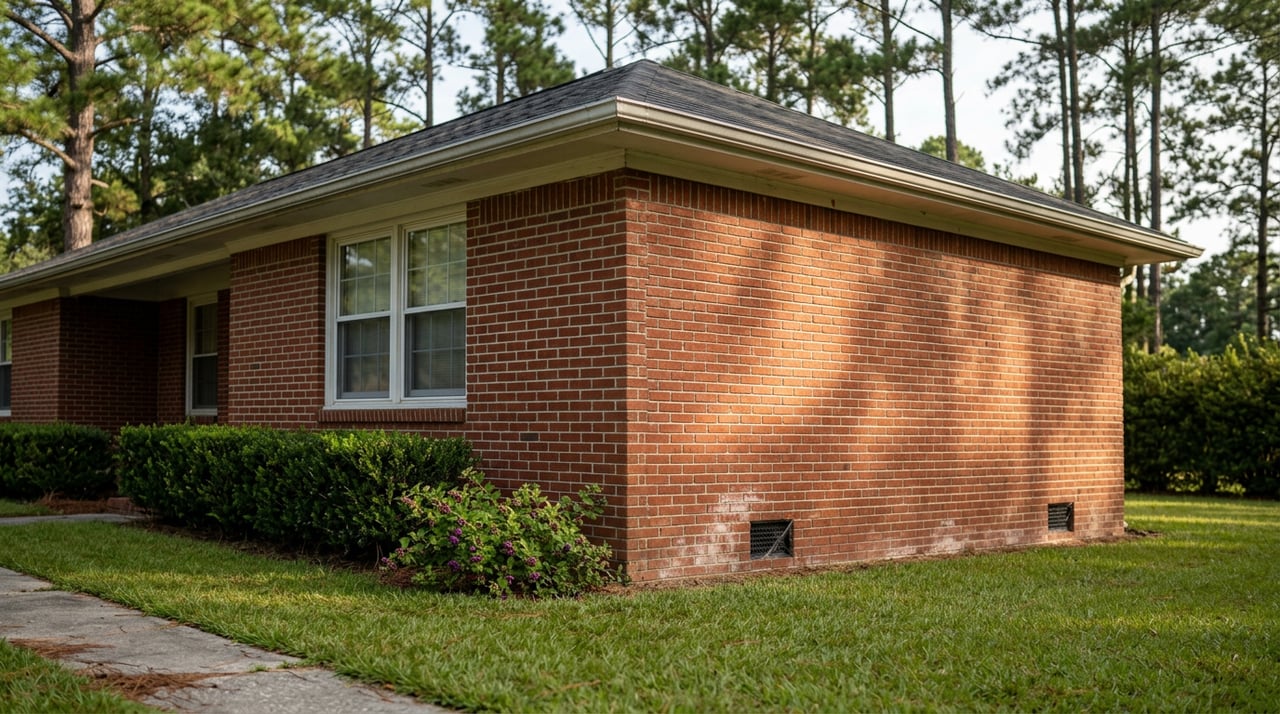
The reason this order matters is that the mitigation report drives which carriers will even offer a number. A hip roof with double wraps and impact-rated openings opens the door to private carriers. A gable roof with clips and unprotected windows narrows the field, sometimes to Citizens plus one or two Demotech-rated Florida domestics. If you find that out during the option period, you can walk or renegotiate. If you find that out three days before closing, you sign anyway or default.
What the new OIR-B1-1802 actually scores
The Uniform Mitigation Verification Inspection Form was updated effective April 1, 2026, and any report an underwriter accepts today needs to be on the current version. It is valid for up to five years provided no material changes are made to the structure or inaccuracies are found on the form, which means a report ordered during your option period will still be doing work five renewals from now.
The scoring items are narrow and specific:
- Roof shape, with hip roofs earning the largest single credit.
- Roof deck attachment, based on nail size and spacing.
- Roof-to-wall connection, ranked from toenails through clips, single wraps, and double wraps.
- Roof covering compliance with Florida Building Code.
- Opening protection, meaning impact-rated windows and doors or approved shutters on every opening.
A Pensacola inspection typically runs $150 to $300, and the report can qualify a buyer for premium discounts large enough to change what house you can afford at your target payment. In Northwest Florida, the wind portion of a premium can carry a meaningful share of the total, and mitigation credits apply directly against that portion.
The Escambia shift most buyers have not caught up to
Buyers relocating from out of state still ask if they should just go with Citizens. In Escambia County in 2026, that question is almost backward. Citizens' multiperil policy count in Escambia County fell from 6,740 at year-end 2024 to 1,034 by May 31, 2026, with wind-only policies down from 2,468 to 1,865, and the reason is that private carriers are actively writing here again.
The practical implication is leverage. A buyer whose only offer is Citizens should assume something on the property is limiting the private market and should find out what before closing. A buyer with three private quotes plus a Citizens comparison has real optionality. Statewide, the vast majority of Citizens policyholders will receive a premium decrease, with a statewide average reduction of 8.7%, so the Citizens number is a moving benchmark rather than a stable ceiling.
By statute, Citizens is the insurer of last resort. If a private carrier offers coverage within 20% of Citizens' rate, you are no longer eligible for Citizens on that risk. That statutory trigger is easy to trip in Escambia's inland ZIPs and much harder to trip near the water, so where the home sits inside the county matters more than the county-level average.
HB 815 and why an older roof is not the automatic no it used to be
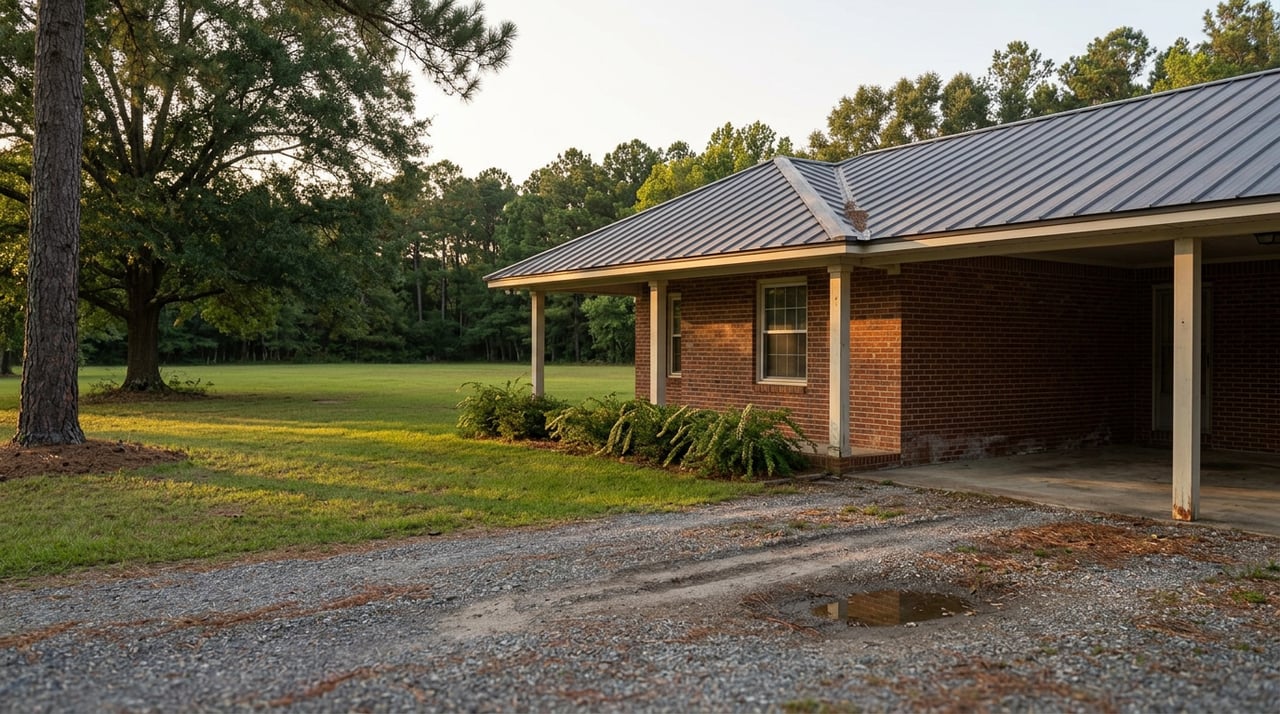
For years, a roof past a certain birthday was a fast rejection at renewal. That practice has narrowed. House Bill 815 revises how insurers can treat roof age and condition when issuing or renewing policies by prohibiting insurers from refusing to issue or renew a policy solely because of roof age without considering actual condition. The reason a buyer cares is that the burden of proof has moved to condition documentation. A roof condition letter or certification, ordered during the option period, is now the artifact that keeps a marginal roof insurable.
If you are buying a home built before the modern Florida Building Code, the roof documentation is the single highest-leverage piece of paper in your file. Pair it with the wind mit report and you have preserved carrier choice. Skip it and you are quoting on age.
The one-year claim window changes what "clean file" means
New law tightened the timelines on both sides of a claim. Homeowners now have one year to file a claim, down from two years. Insurers must also decide whether to pay or deny a claim within 60 days, shortened from the previous 90-day period.
For a buyer, that reset changes seller disclosures and CLUE report review. If the seller experienced any storm-related damage in the past 12 months and did not file, that claim window has effectively closed. Ask directly during the option period. If the seller filed and it was denied or partially paid, know that resolution timelines are now shorter, so any open matter should be documented before you take title.
Insurance carriers will place a binding freeze once a named storm enters a defined box in the Gulf or Atlantic. A buyer who waits to bind until the week before closing during the June 1 to November 30 season can be denied new coverage or moved to a worse rate for reasons that have nothing to do with the property.
That freeze is the single most common cause of an insurance-driven closing delay in the panhandle, and it is entirely avoidable with earlier binding.
Stacking the Home Hardening refund with mitigation credits through 2029
The state extended a benefit that a lot of Pensacola buyers still do not know exists. Under HB 7031E, the sales tax exemption for home hardening products is extended three years, and applies to qualifying products purchased between July 1, 2026, and June 30, 2029. Qualifying products include impact-resistant doors, garage doors, and windows that meet certain wind pressure and impact resistance standards. Refund eligibility is restricted to products installed in site-built dwellings with a maximum value of $700,000 that have been granted a homestead exemption. Property owners can receive one home hardening sales tax refund up to $500.
The interpretation for a Pensacola buyer is straightforward. If you are planning to upgrade openings during your first year of ownership, the refund stacks with the wind mit credit on the openings line. You get the sales tax back on the products and you unlock a new mitigation score on the next OIR-B1-1802, which lowers your renewal. The buyer who plans this before closing captures both. The buyer who plans it after their first renewal captures neither efficiently.
Pre-1994 versus post-2001: what changes at quote time
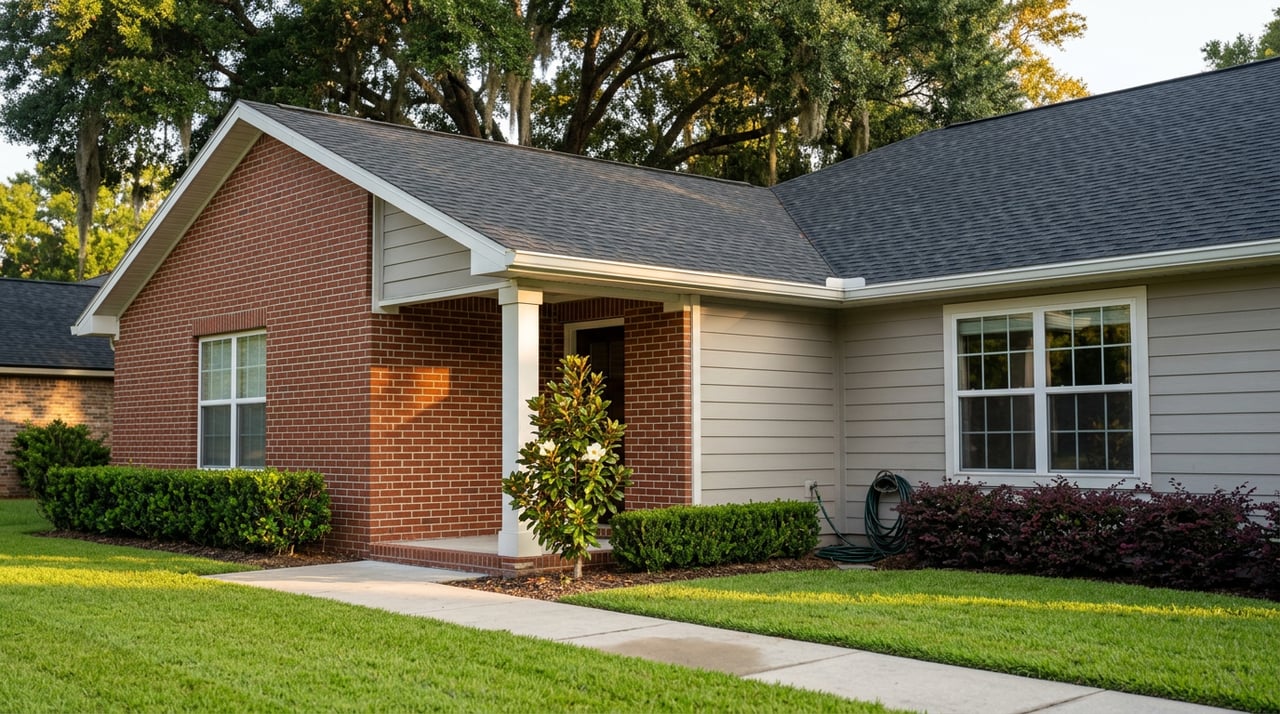
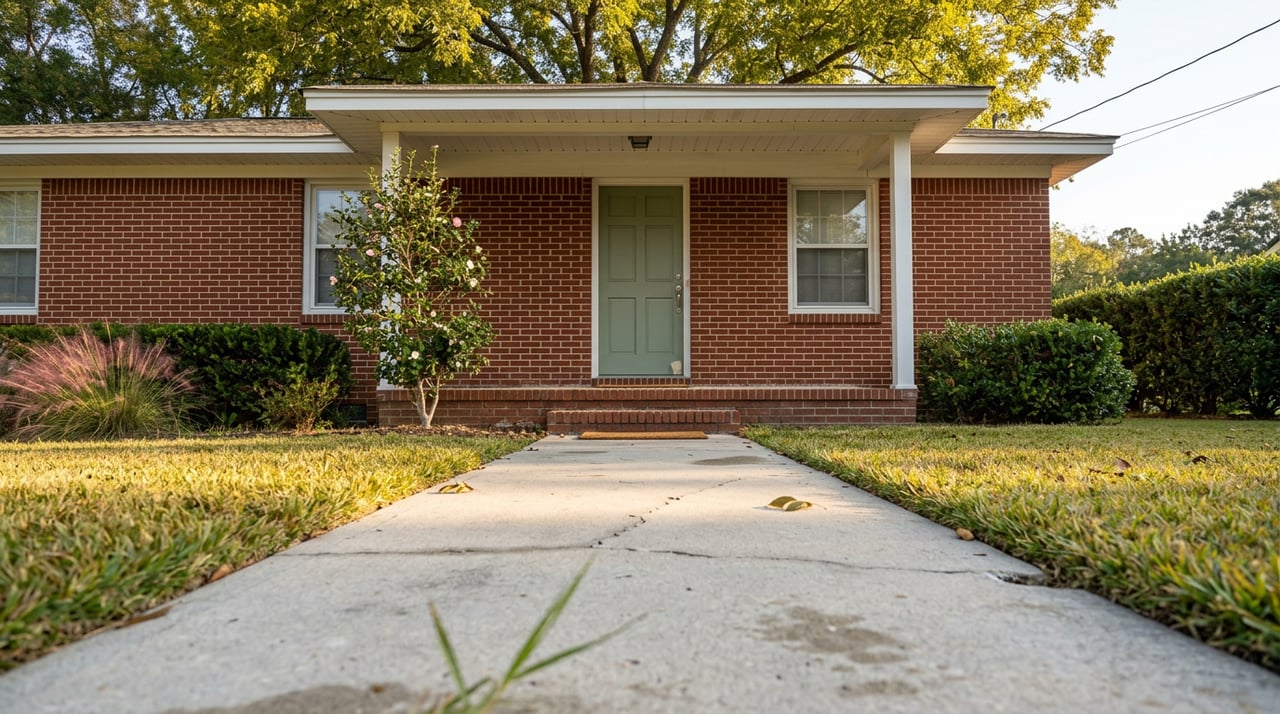
Escambia's housing stock spans three code eras, and the era determines what your quote looks like before an underwriter even reads the mitigation report. Homes built before Hurricane Andrew reforms took hold face higher premiums because they were not built to the wind-resistance standards that followed. Homes built after the 2001 strengthening of the Florida Building Code perform better in underwriting and often qualify for private-market pricing right out of the gate.
For a buyer, the practical read is this. On a pre-1994 home, budget toward the higher end of the local range, order the wind mit and 4-point on day one of the option period, and price impact-opening quotes before you remove contingencies. On a post-2001 home, the mitigation report often confirms what the year built already suggests, and your work shifts to comparing three or four private quotes on coverage form language rather than headline premium.
Distance from open water is the other lever, and it does not respect the county line. Two homes with the same year built and the same roof can quote very differently if one is in an inland ZIP and one is closer to the bay.
FAQ
When during the option period should I order the wind mitigation inspection? Same day as the general inspection. The two inspectors can often coordinate access, and having both reports in hand within the first week gives your broker time to shop the file before your contingency date.
Do I need flood insurance if I am not in a Special Flood Hazard Area? Federally backed mortgages require flood insurance only in designated high-risk zones, but standard homeowners policies do not cover flood anywhere. Given Pensacola's geography and the mix of NFIP and private flood options now available, it is worth quoting even outside the SFHA.
My private quote is 18% above Citizens. Am I still eligible for Citizens? No. Eligibility ends when a private offer comes within 20% of the Citizens rate, so an 18% gap disqualifies you. Ask your broker to document the calculation in writing for your file.
The seller replaced the roof three years ago but does not have the permit. Does that hurt me? Yes, in practical terms. Without the finalized permit and Florida product approval numbers for the covering, the wind mit inspector cannot credit the roof deck attachment or covering compliance at the higher tiers. Ask the seller to pull the permit from the building department before closing.
Insurance in Pensacola is no longer the last thing you handle before closing. It is the first thing that determines whether closing happens on the date on your contract. If you are under contract or getting close, Kelley Real Estate Co will walk the sequence with you, coordinate the inspections in the right order, and connect you with an independent broker who works Escambia County every week. Ready to talk through a specific property or start a search that accounts for insurance from day one? Get a Free Home Valuation on any home you own or are considering, and we will build the closing calendar backward from there.