Moving to Milton from another state can feel like a lot to manage, especially when you are trying to choose the right home without being in town for every step. You want solid information, a clear process, and fewer surprises once you are under contract. The good news is that with the right buying plan, you can do strong due diligence from a distance and move forward with confidence. Let’s dive in.
Start With a Remote-Friendly Plan
When you are buying in Milton from out of state, your plan needs to be built for distance from day one. That means thinking beyond the home search and preparing for financing, inspections, title work, flood review, and closing logistics before you ever make an offer.
A big part of remote buying in Milton runs through Santa Rosa County systems. The Santa Rosa County Property Appraiser is a useful starting point for ownership records, parcel details, subdivision plats, prior tax rolls, sales data, and zoning information. It is important to know that this office does not keep deeds, surveys, or title records, so your buying plan should account for those items separately.
Step 1: Get Your Financing Ready Early
Before you start writing offers, get clear on your financing options. If you are using a mortgage, ask multiple lenders for Loan Estimates early so you can compare rates, fees, and terms side by side.
The Consumer Financial Protection Bureau says lenders must send a Loan Estimate within three business days after receiving the key pieces of information needed for your application. That timing can help you make cleaner, faster decisions when the right home comes up.
If you are relocating, this matters even more because your timeline may involve selling elsewhere, changing jobs, or coordinating a move across state lines. A strong preapproval and clear lender communication can make your offer easier to structure and your closing timeline more realistic.
Step 2: Build an Offer Around Distance
A remote purchase works best when the contract reflects the fact that you may not be physically present for every part of the deal. According to Florida Bar consumer guidance, buyers should think carefully about financing contingencies, closing costs, cancellation rights if financing is denied, and whether the timeline allows enough time for survey, title work, and mortgage approval.
If you will not be in Florida for closing, bring that up early with your lender and closing agent. Florida Bar guidance notes that special arrangements should be made in advance when a buyer will not be present to sign, and that timing matters when loan documents and closing deadlines are involved.
This is one reason a step-by-step plan matters so much. You do not want to be figuring out signing logistics, wire timing, or missing documents at the last minute.
Step 3: Ask Better Written Questions
When you are buying from out of state, written questions become one of your best tools. Florida law recognizes a duty to disclose known facts that materially affect a property’s value when those facts are not readily observable and not known to the buyer, as discussed in The Florida Bar Journal.
That does not mean you should rely on assumptions. It means you should ask direct questions in writing about things that are harder to judge from photos or a quick video tour.
Helpful topics to ask about include:
- Roof age and repair history
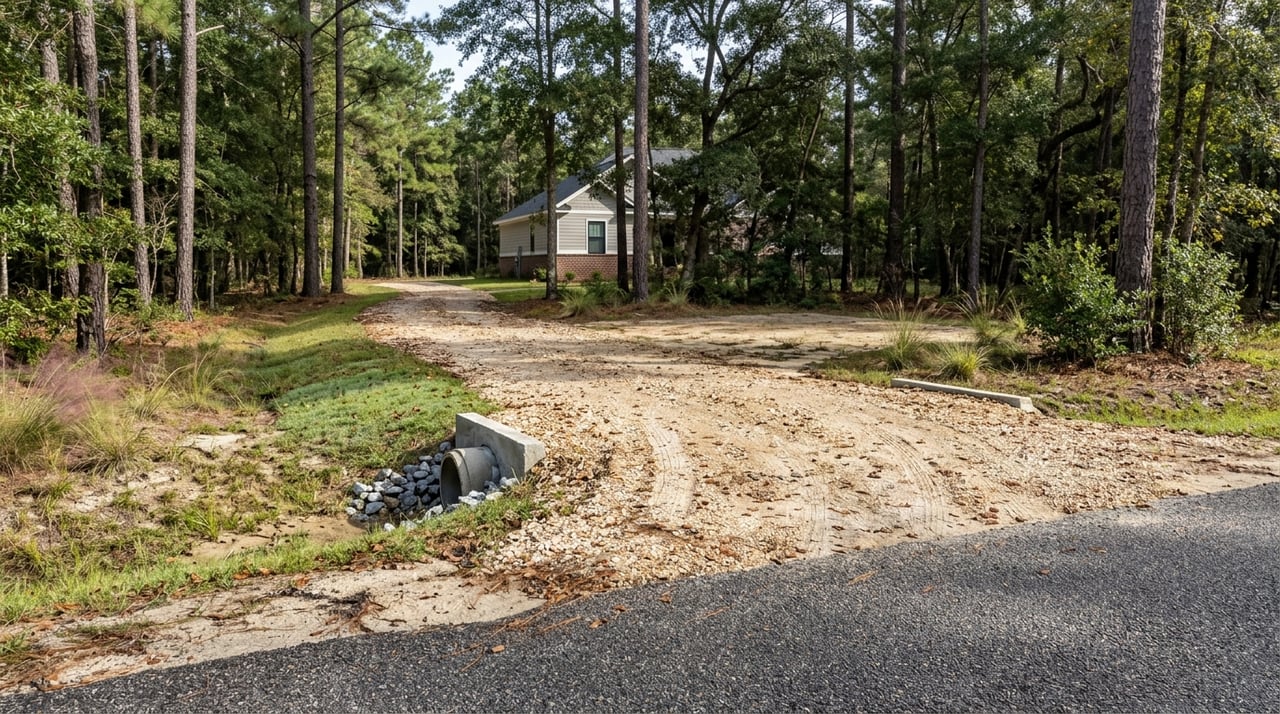
- Drainage concerns after heavy rain
- Any prior flooding or standing water issues
- Past repairs or insurance claims
- Open or expired permits
- Known structural or system issues
For an out-of-state buyer, this kind of paper trail helps you evaluate risk more clearly and keeps everyone focused on facts.
Step 4: Check Flood Risk Before You Buy
Flood due diligence should be part of every Milton buying plan. Santa Rosa County specifically tells buyers to check flood hazard before buying, ask whether the property has ever flooded, and confirm what building and zoning rules apply.
That guidance is especially important because standard homeowners insurance usually does not cover flood damage. The county also notes that flood insurance may be required by most federally backed lenders if the property is in a floodplain.
For a deeper review, Santa Rosa County’s Floodplain Management resources include flood maps, elevation certificates, letters of map amendment, flood studies, and a property-level flood risk portal. You can also confirm flood hazard information through FEMA’s Flood Map Service Center, which the county identifies as the official public source.
If you are comparing homes from afar, flood review should be one of the first filters, not one of the last.
Step 5: Review Taxes and Future Costs
One common mistake for relocation buyers is assuming the seller’s current property taxes will match what you will pay after closing. Florida requires a property tax disclosure summary at or before contract execution, and the law makes clear that you should not rely on the seller’s current tax bill.
A change in ownership or improvements to the property can trigger reassessment. That means your real monthly cost could be higher than it looks if you only base your budget on the current owner’s numbers.
If you are looking at new construction or a build-to-suit home in unincorporated Santa Rosa County, there may be another budget item to review. The county says transportation impact fees are collected on building applications submitted on or after May 5, 2025, and are due before or at the time a building permit is issued.
Step 6: Verify Permits, Survey, and Title
Remote buyers should be extra careful with property records and condition-related paperwork. Florida Bar guidance recommends getting a survey even in a cash purchase, and notes that a lender may require one if you are financing.
The same guidance also recommends a municipal lien search to help identify open or expired permits or code issues. It also advises buyers to verify marketable title, understand who will choose the closing agent, and confirm whether there are HOA, condo, or special assessment obligations tied to the property.
Permit history matters in Santa Rosa County. The county’s permit guidance explains that building permits are required for new construction, footprint changes, and other structural changes, and applications are handled through My Government Online. The county also warns property owners and buyers to use properly licensed contractors and to be cautious when someone says a permit is unnecessary.
Step 7: Prepare for a Remote Closing
A remote closing is very possible in Florida, but it still needs planning. Florida authorizes remote online notarization, which can make a mail-away or fully remote closing possible when your lender and closing agent support it.
The CFPB says you must receive your Closing Disclosure at least three business days before closing. It is smart to ask your lender or closing agent at least a week in advance how the Closing Disclosure and the rest of the closing documents will be delivered, and to request advance copies of the note, mortgage, and deed when available.
Florida Bar guidance also highlights a few practical details that matter in remote closings:
- Seller documents need two witnesses and a notary
- Loan documents must be notarized
- Some cash-buyer documents may be signed electronically
- Wire instructions should always be verified independently
That last point is worth slowing down for. Wire fraud is a real risk in real estate, so never rely on last-minute emailed wire instructions without confirming them through a trusted, verified contact.
Step 8: Plan for Post-Closing Tasks
Your move is not fully done on closing day. If the Milton home will be your permanent residence, one of the biggest next steps is reviewing your homestead exemption options.
Santa Rosa County says deeds are usually processed within 8 to 10 weeks after the transaction, and the online exemption system becomes available once the ownership change appears in county records. The county’s homestead exemption page explains that to file, you must make the property your permanent residence and provide required documentation such as a Florida driver license or ID showing the address, residency-related information, and proof that any out-of-state homestead benefit has been terminated.
The standard filing deadline is March 1, although the county notes that late applications may be accepted in some circumstances. For long-term budgeting, Florida’s Department of Revenue explains that the homestead assessment cap, often called Save Our Homes, limits annual assessed-value increases on a homestead to the lesser of 3% or the change in CPI.
A Simple Buying Checklist for Milton
If you want to keep your out-of-state move organized, use this simple checklist:
- Get preapproved and request multiple Loan Estimates.
- Search homes with flood risk, tax changes, and closing logistics in mind.
- Write offers with realistic financing and due diligence timelines.
- Ask detailed written questions about condition, flooding, and permits.
- Review flood maps, flood history, and insurance implications.
- Confirm survey, title, permit history, and possible liens or violations.
- Plan remote signing and verify all wire instructions independently.
- After closing, track deed recording and homestead filing deadlines.
A clear process makes a big difference when you are buying from another state. The goal is not just to get to the closing table. It is to help you buy with fewer surprises and a better understanding of the home, the costs, and the timeline.
If you are planning a move to Milton and want straightforward guidance from a local agent who understands remote buying, financing questions, and inspection-minded decision-making, reach out to Charles Kelley. You will get practical help, clear communication, and a plan that keeps the process as simple and stress-free as possible.
FAQs
What should out-of-state buyers verify before buying a home in Milton?
- You should verify flood risk, permit history, title, survey needs, tax reassessment risk, financing terms, and remote closing logistics before you move forward.
How can a remote buyer check flood risk for a Milton property?
- You can review Santa Rosa County floodplain resources, use the county’s flood risk tools, ask whether the property has ever flooded, and confirm official flood hazard information through FEMA resources referenced by the county.
Do remote buyers in Milton need a survey and permit review?
- A survey is strongly recommended under Florida Bar guidance, and permit review is important because open, expired, or missing permits can affect your risk, repairs, and closing process.
Can you close on a Milton home remotely?
- Yes, a remote closing may be possible if your lender and closing agent support mail-away or remote online notarization procedures and you plan the document timing in advance.
What happens to property taxes after buying a home in Milton?
- Property taxes may change after a sale because a change of ownership or improvements can trigger reassessment, so you should not assume the seller’s current tax bill will match yours.
When should a new Milton homeowner apply for homestead exemption?
- Once the deed is reflected in county records and the property is your permanent residence, you can apply, and the standard filing deadline in Santa Rosa County is March 1.