If you are selling a home in Atmore, it is easy to hope the market will do the heavy lifting for you. Right now, though, buyers have options, and that means your price, condition, and preparation can make a big difference. The good news is that with a smart plan from the start, you can avoid a lot of stress and reduce the chances of late surprises. Let’s walk through what to expect from prep to closing.
Understand the Atmore market
Selling starts with understanding the market you are stepping into. Recent housing data points to a slower, more buyer-friendly environment in Atmore, with home values around $154,610 as of late March 2026 and median listing prices roughly in the $175,400 to $198,500 range, depending on the source and snapshot.
There are also around 100 to 106 active listings, and median days on market have ranged from 53 to 93. Realtor.com described Atmore as a buyer's market in March 2026. In plain terms, buyers often have time to compare homes, so overpricing can cost you valuable early momentum.
Start with pricing, not guessing
One of the biggest mistakes sellers make is choosing a price based on what they want to net instead of what the market supports. In a market like Atmore, pricing from the market outward is usually the safer strategy.
A realistic list price can help your home get more attention early, when your listing is freshest. If you start too high, buyers may scroll past it, wait for a reduction, or compare it against stronger options.
This is where local guidance matters. A strong pricing strategy should reflect current competition, your home's condition, and the features buyers in Atmore are actively searching for.
Focus on what Atmore buyers notice
Buyer search patterns in Atmore give you useful clues about what to highlight. Shoppers are actively filtering for features like big lots, fenced yards, garages, central air, wraparound porches, lake views, and land.
That does not mean you need every feature on that list to sell well. It does mean you should make your property's strengths easy to see in photos, showings, and listing remarks.
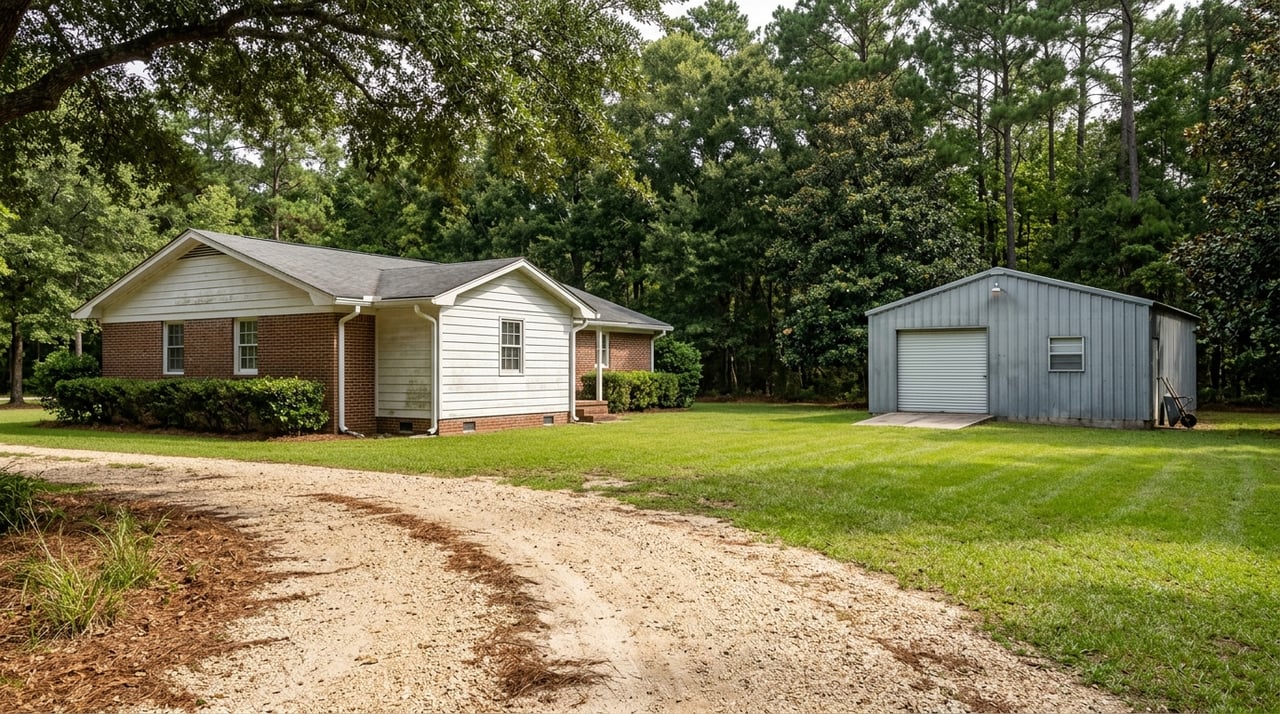
If you have a large backyard, clean fencing, extra parking, a porch, or useful outbuildings, bring those details forward. If your heating and cooling systems are in good shape, that matters too, especially when buyers are comparing practical comfort and maintenance.
Prepare your home before it hits the market
In Alabama, sellers and seller's agents generally are not required to disclose defects unless they involve an immediate health or safety risk, unless asked. Even so, pre-listing prep is important because buyers still pay close attention to visible condition, maintenance, and anything that may come up during inspections.
A clean, well-cared-for home can shape buyer confidence before they ever write an offer. Preparation also gives you more control over the story your home tells.
Tackle visible repairs first
Start with the items buyers will notice right away. Loose handrails, peeling paint, damaged trim, stained ceilings, cracked switch plates, broken light fixtures, and dripping faucets can make a home feel less cared for than it really is.
You do not have to renovate everything. Instead, focus on repairs that improve function, safety, and first impressions.
Clean and simplify each space
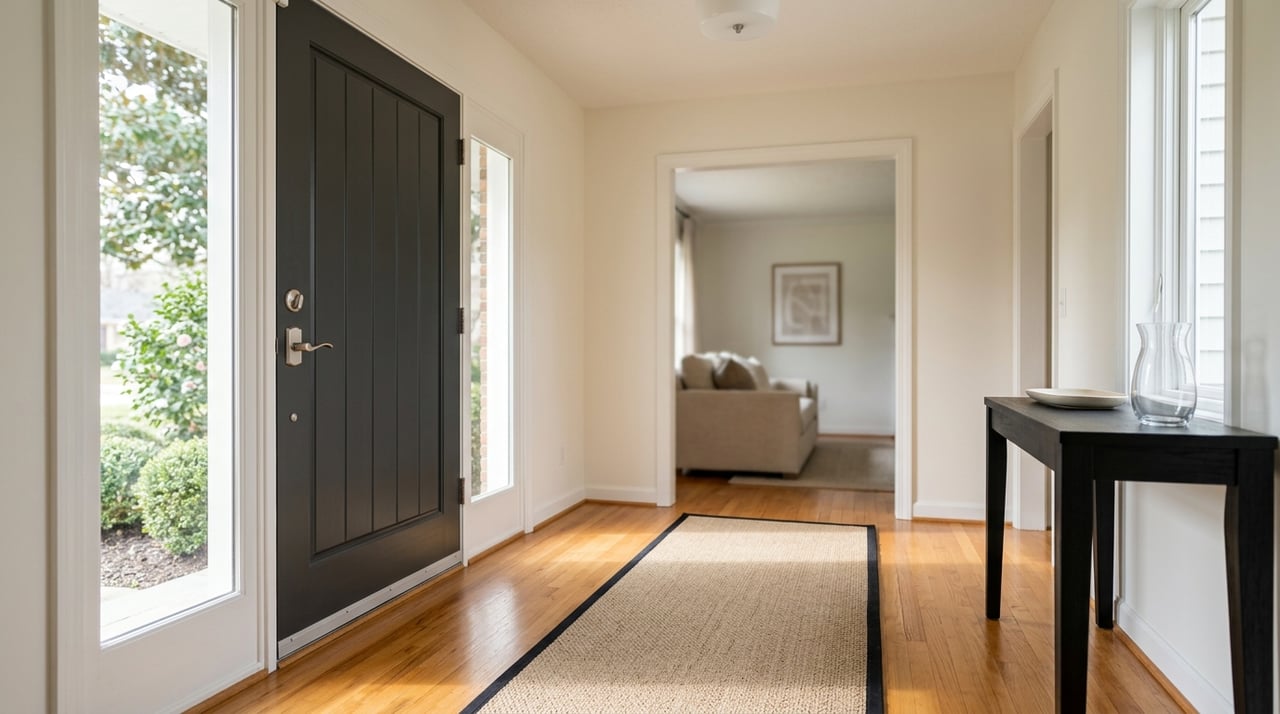
Deep cleaning matters more than many sellers expect. Clean floors, fresh-smelling rooms, tidy kitchens, and bright bathrooms help buyers focus on the home itself instead of your belongings or deferred maintenance.
If possible, reduce clutter and remove excess furniture. That can make rooms feel larger and help buyers picture how they would use the space.
Boost curb appeal
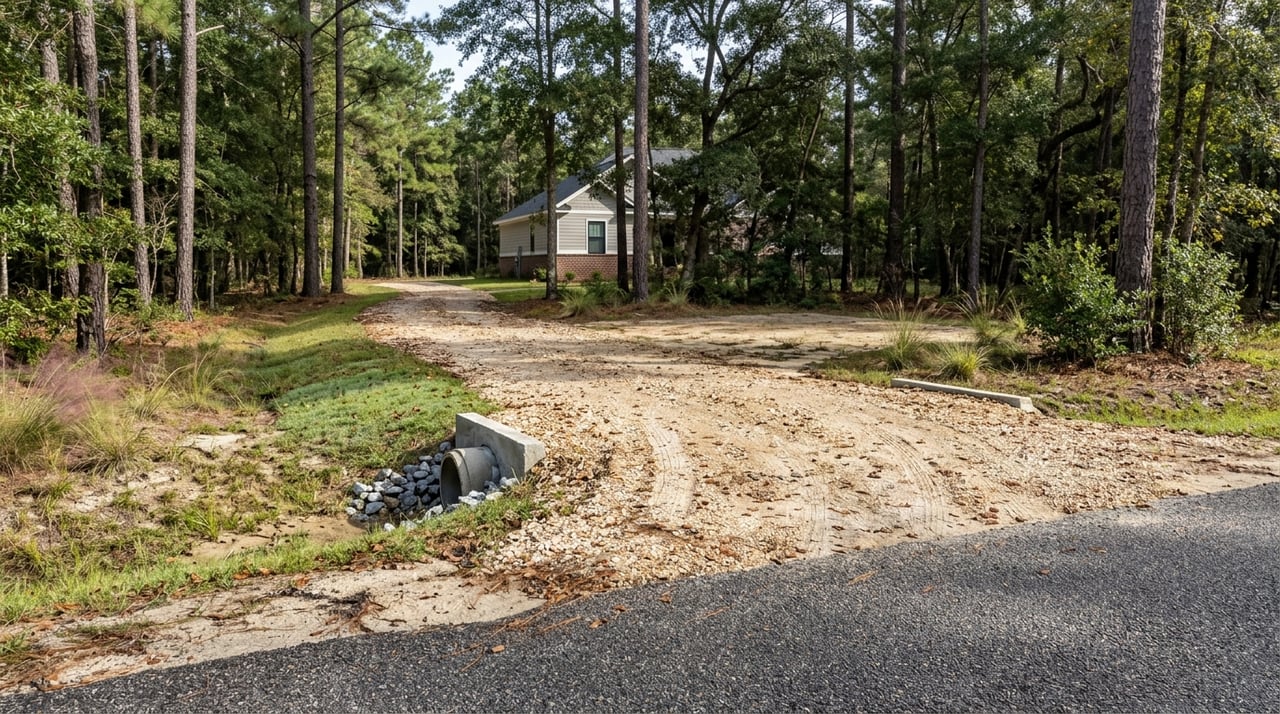
The outside of your home sets the tone before a buyer walks in. Mow the lawn, trim shrubs, edge walkways, clear debris, and make sure the entry feels welcoming.
Atmore's Building Department also handles nuisance enforcement along with permitting, inspections, zoning, planning, and floodplain management. Overgrown yards or inoperable vehicles can become more than just an appearance issue, so it is smart to address exterior concerns early.
Check permits and property details
Before you list, it is wise to confirm that past improvements line up with local records when needed. If you added a detached building, enclosed a porch, finished space, or completed major repairs, check whether permits were required and whether the work is properly documented.
This matters because buyers may ask questions once they review the property, inspection findings, or appraisal notes. Sorting out permit details before listing can help you avoid delays later.
If your home is near drainage areas or in a mapped flood zone, be ready for flood-related questions too. Atmore's floodplain resources direct residents to FEMA's official Flood Map Service Center, so buyers may want clarity on flood risk and any related insurance documentation.
Know your disclosure basics
Even in a state with limited seller disclosure requirements, you should still be organized and truthful about known facts. If buyers ask direct questions, clear answers and good documentation can help keep the transaction on track.
A simple file with service records, roof or HVAC invoices, repair receipts, appliance information, and permit documentation can go a long way. It helps support your home's condition and shows buyers you have taken ownership seriously.
Do not overlook lead-based paint rules
If your home was built before 1978, federal law requires sellers of most homes to disclose known lead-based paint information and provide the required EPA and HUD pamphlet before the buyer signs the contract. This is one of the most important items to flag early.
Handling it upfront helps avoid timing issues once a buyer is ready to move forward. It also sets better expectations from the start.
Bring in guidance early
Alabama allows owners to sell without using a licensed broker, but the Alabama Real Estate Commission recommends consulting a licensed broker or attorney if you are uncertain. For many sellers, the best time to get help is before photos are taken and before the home goes live.
Early guidance can help you make better decisions about pricing, repairs, staging priorities, and how to position the property. It can also help you understand required forms and what to expect as offers start coming in.
The Alabama Real Estate Commission also says the Real Estate Brokerage Services Disclosure Form and Agency Disclosure Office Policy should be provided as soon as reasonably possible. That is one more reason to get the process organized early instead of trying to piece it together at the last minute.
Market the home with purpose
In a buyer-leaning market, good marketing is not just about putting the home online. It is about making the right features obvious, credible, and appealing.
That starts with strong photos and a clear condition story. Buyers should be able to tell quickly whether your home offers the things they care about most.
Highlight practical features
Make sure your listing presentation calls out features buyers in Atmore are already searching for, such as:
- Lot size
- Fenced yard
- Garage or covered parking
- Central air
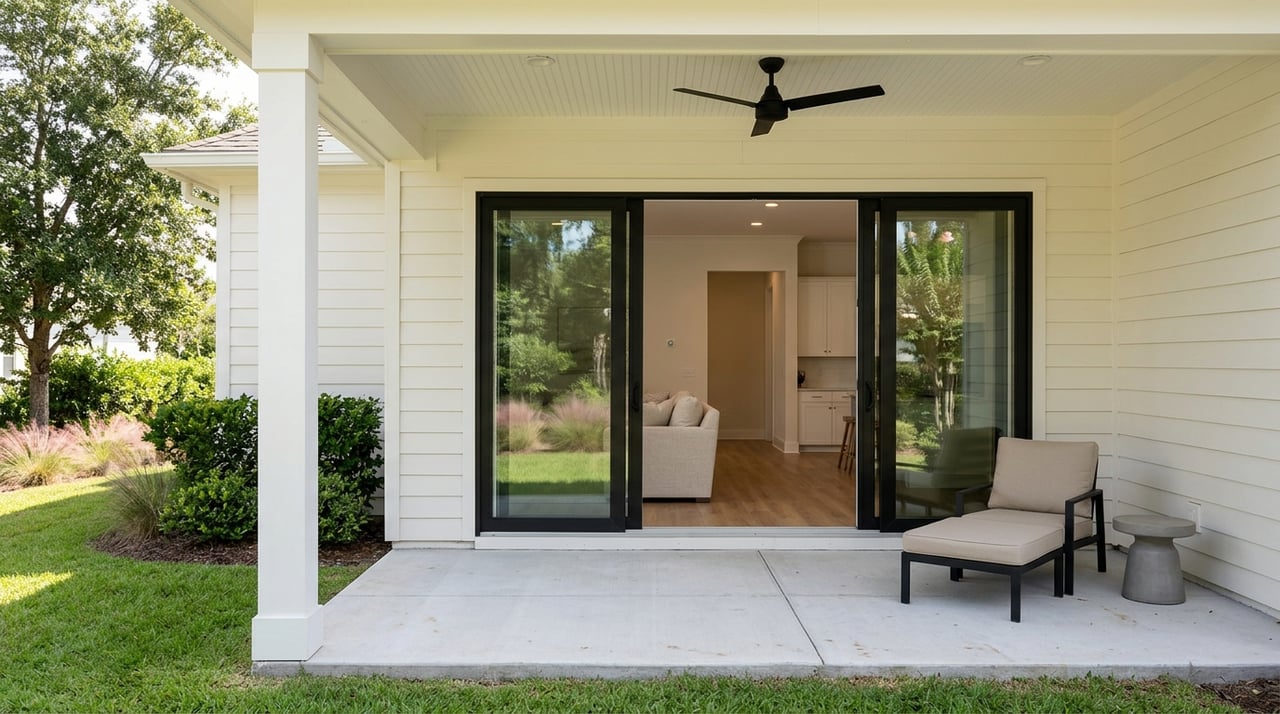
- Porch space
- Acreage or room for outdoor use
- Storage buildings or detached structures
These details should not be buried in generic wording. If they are real strengths of the property, they deserve clear photo coverage and clean, direct description.
Be ready for inspections and negotiation
Once you accept an offer, the next phase can move quickly. Buyers may schedule inspections, work through financing, and raise questions about condition or repairs.
This is where your early prep can pay off. If you already handled obvious issues, gathered records, and priced realistically, you are in a better position to negotiate from a place of confidence.
If repairs are negotiated, complete them on time and keep receipts. Buyers are encouraged to verify agreed-upon repairs before closing, so unfinished work or missing documentation can create delays.
Keep the path to closing organized
The closing stage often feels paperwork-heavy, but a little organization makes it much easier. After the contract is signed, the buyer typically works through lender document requests, inspections, insurance decisions, and closing review.
For financed purchases, the lender must send the buyer a Closing Disclosure at least three business days before closing. While that document is mainly the buyer's responsibility, sellers benefit when the transaction stays on schedule and both sides can address issues early.
Plan for taxes and utilities
As closing approaches, make sure the practical handoff is clear. In Escambia County, property tax information is handled through the county tax office, and if your home currently has a homestead exemption, the closing team should verify how taxes will be prorated and what the buyer may need to do after closing.
You should also plan for utility transfer. In Atmore, gas, water, and sewer service are provided by the West Escambia Utilities Board, so your move-out checklist should include setting a clear shutoff or transfer date tied to closing and possession.
A simple Atmore seller checklist
If you want a smoother sale, focus on the basics early:
- Price the home based on current Atmore competition
- Complete visible repairs before listing
- Deep clean and declutter
- Improve curb appeal
- Gather maintenance records and receipts
- Check permit history for additions or major work
- Prepare for flood-zone questions if relevant
- Handle lead-based paint disclosure early if the home was built before 1978
- Make sure your listing highlights the features buyers search for most
- Keep repair receipts and utility plans ready for closing
Final thoughts
Selling a home in Atmore is not about chasing the highest possible number and hoping the market catches up. It is about presenting your home well, pricing it with discipline, and staying ahead of the details that can slow a deal down.
When you take care of prep, documentation, and negotiation issues early, you give yourself a better chance at a cleaner contract and a less stressful closing. If you are thinking about selling and want practical guidance from pricing through the final handoff, reach out to Charles Kelley for a straightforward plan and a free home valuation.
FAQs
What is the Atmore housing market like for home sellers?
- Recent market snapshots point to a more buyer-friendly market in Atmore, with around 100 to 106 active listings and median days on market ranging from 53 to 93, so pricing and presentation matter.
What should I fix before selling a home in Atmore?
- Focus first on visible repairs, safety items, maintenance concerns, curb appeal, and anything that could raise inspection questions, such as leaks, broken fixtures, or neglected exterior areas.
What features help attract buyers for homes in Atmore?
- Buyer search activity in Atmore shows interest in large lots, fenced yards, garages, central air, wraparound porches, lake views, and land, so highlight those features clearly if your property has them.
Do I need to disclose problems when selling a house in Alabama?
- Alabama generally has limited seller disclosure requirements unless a defect involves immediate health or safety risk or a buyer asks direct questions, but it is still smart to be organized, accurate, and ready with documentation.
What should Atmore sellers know about permits before listing?
- If your property has additions, enclosed porches, detached buildings, or major repairs, check local permit records before listing because buyers may ask about the work during inspection or appraisal.
What happens after I accept an offer on my Atmore home?
- After contract acceptance, the buyer usually moves through financing, inspections, insurance, document review, and final closing steps, while you should stay on top of any agreed repairs, receipts, tax prorations, and utility transfer planning.