Buying your first home in Pace can feel exciting and intimidating at the same time. You want enough space, a payment that feels manageable, and confidence that you are not walking into costly surprises. This guide will help you understand what the Pace market looks like, how to budget beyond the list price, and what to expect from financing, inspections, and appraisal so you can move forward with clarity. Let’s dive in.
Pace market basics
Pace is a strongly owner-occupied market, with about 83% owner occupancy according to the U.S. Census QuickFacts for Pace CDP. That helps explain why many first-time buyers looking here focus on single-family homes rather than condo-heavy options.
Recent market trackers also suggest Pace is active but still approachable for careful buyers. Realtor.com market data referenced in the research report showed a March 2026 median listing price of $349,000, while Redfin data cited in the research report reported a February 2026 median sale price of $333,000, with homes taking several weeks to sell rather than moving instantly.
That matters if you are buying for the first time. In a market like Pace, you may still need to act quickly on the right home, but you also have room to compare monthly costs, property condition, and neighborhood fit instead of rushing blindly.
Pace homes can vary a lot
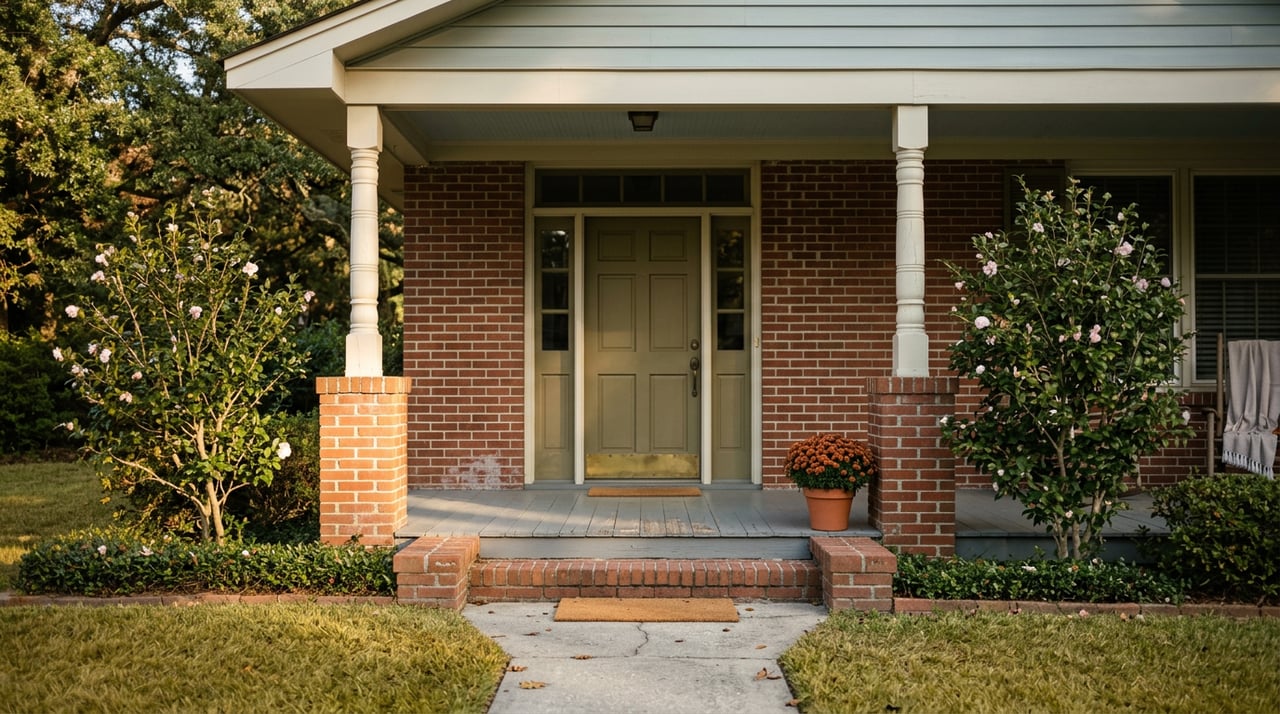
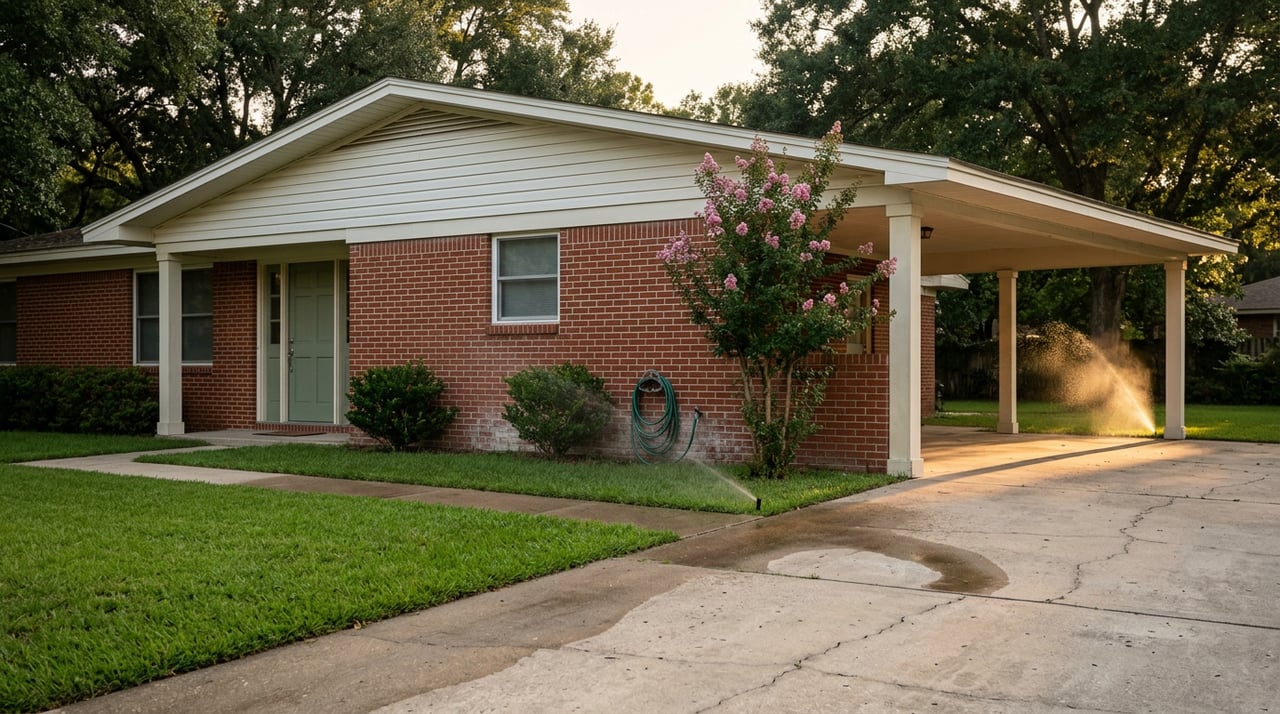
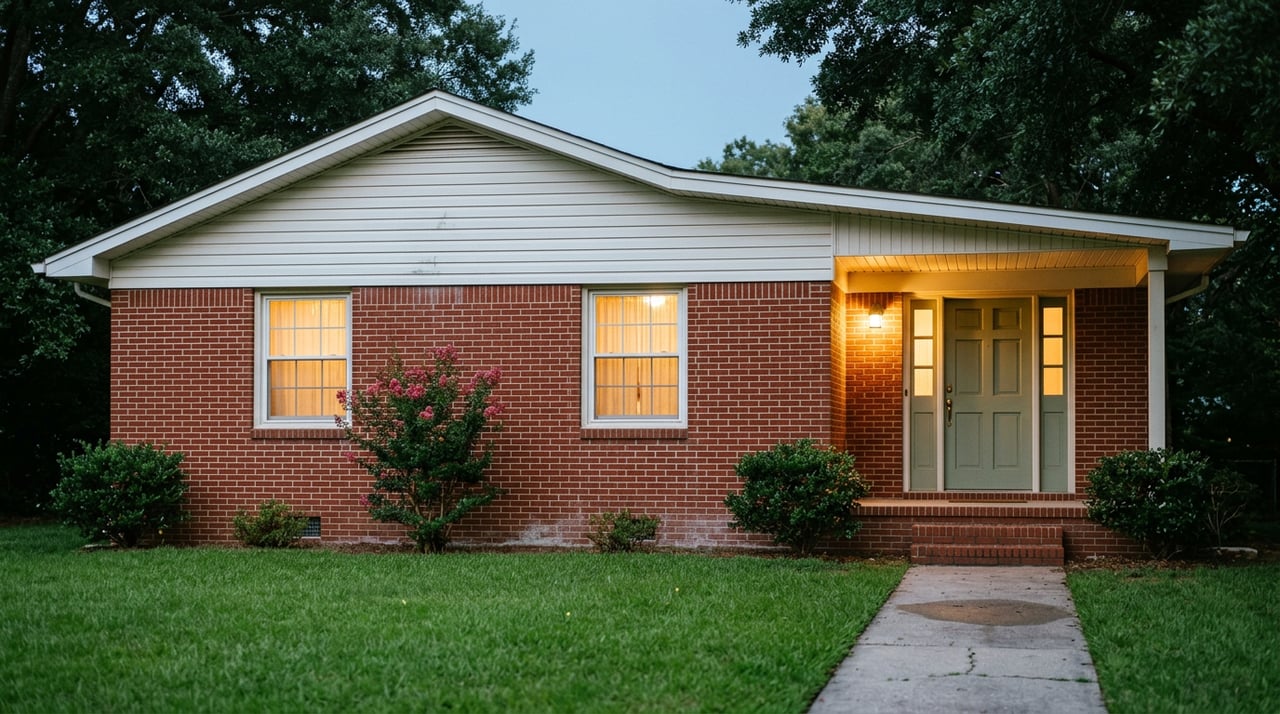
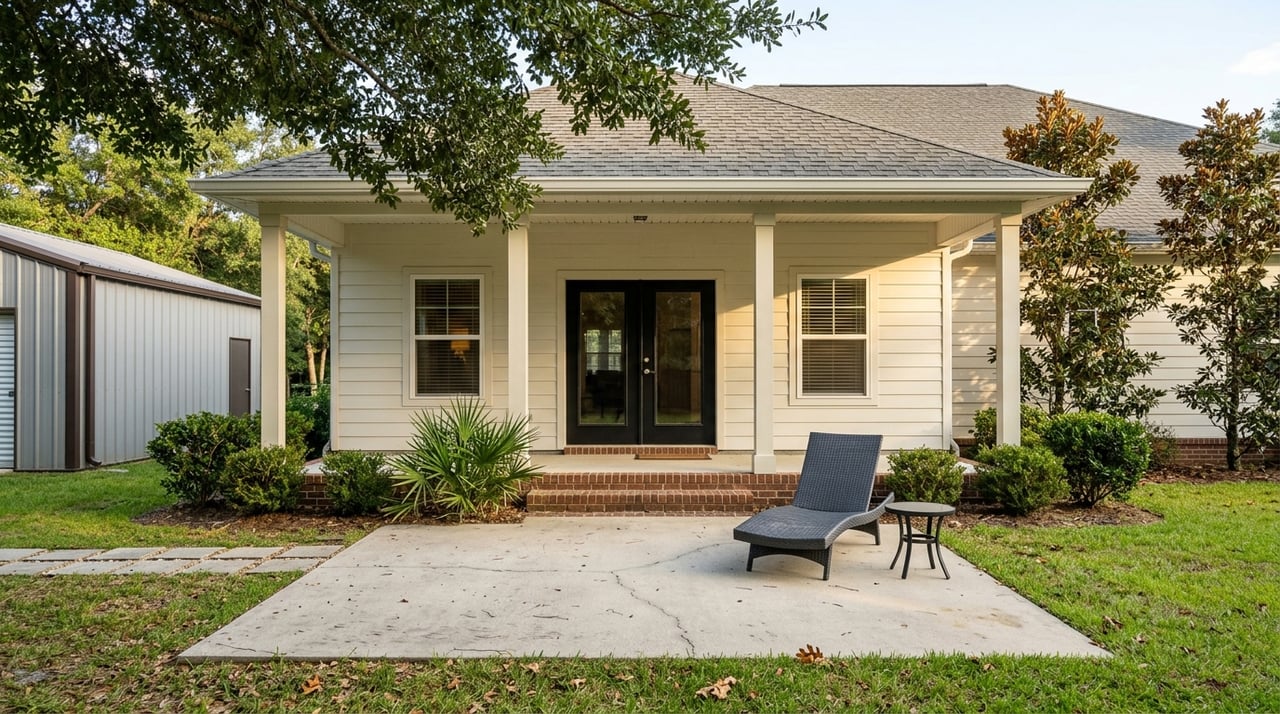
One of the biggest surprises for first-time buyers is how much monthly cost can change from one home to the next, even when prices look similar. Pace inventory includes detached resale homes, new construction on smaller lots, and even some townhome-style options, based on recent local listing examples.
That means two homes at a similar price point may come with very different tradeoffs. One may offer more yard space and no HOA, while another may have a smaller lot with monthly HOA dues. Looking only at the purchase price can cause you to miss the full affordability picture.
As you compare homes, pay close attention to:
- Lot size
- HOA dues, if any
- Whether the home is resale or new construction
- Estimated property taxes and insurance
- Whether the home is complete and ready for occupancy
Start with preapproval
Before you tour homes seriously, get a preapproval, not just a prequalification. The Consumer Financial Protection Bureau explains that a preapproval letter reflects a lender’s tentative willingness to lend up to a certain amount after reviewing your income, assets, debts, employment, savings, and credit.
This step gives you a more realistic price range and helps you avoid falling in love with a home that does not fit your financing. It also shows sellers that you are a serious buyer who has already started the loan process.
If you are nervous about approval, that is normal. Pace first-time buyers often benefit from starting early, reviewing their credit, and understanding their likely payment before they shop. A little prep on the front end can lower stress later.
Budget beyond the down payment
Many first-time buyers focus on saving for a down payment, but that is only part of the cost. According to the CFPB’s homebuying guidance, closing costs typically run about 2% to 5% of the purchase price.
Your monthly payment also may include more than principal and interest. Depending on the property, you may need to plan for:
- Mortgage insurance
- Property taxes
- Homeowners insurance
- Flood insurance
- HOA dues
- Maintenance
- Utilities
This is especially important in Pace because local listings show a mix of HOA and no-HOA properties, along with differences in lot size and property type. A home with a similar list price can feel very different once all monthly costs are added together.
First-time buyer programs to know
If you are exploring assistance options, start with statewide programs and verify current availability before making plans around them. The Florida Housing Homebuyer Program offers 30-year fixed-rate first mortgages through participating lenders for eligible buyers.
The program requires a minimum credit score of 640, approved homebuyer education, county income and purchase-price limits, and satisfaction of the IRS first-time buyer test, which generally means you have not owned and occupied a primary residence in the last three years.
For some buyers in Santa Rosa County, local assistance may sound promising at first glance, but current availability matters. As noted by Santa Rosa County Housing Programs, the county’s HOME program is closed, and the SHIP first-time homebuyer program was not accepting applications as of January 14, 2026 because funds were depleted.
You may also hear about Florida Housing’s Hometown Heroes program. Florida Housing reported that all available 2025-2026 funding had been committed as of February 27, 2026, so it is important to check Hometown Heroes availability directly before counting on it.
A regional housing finance option serving Santa Rosa County also lists income and purchase-price limits that are above current Pace median pricing, according to the Escambia County Housing Finance Authority limits page. In plain terms, that means your income qualification may matter more than Pace home prices alone.
Know what to inspect carefully
Pace offers both resales and new construction, so condition checks matter in either case. Recent local listing examples referenced in the research report include homes with slab foundations, shingle roofs, public utilities, and under-construction status, which means you should verify what is finished, what is not, and what ongoing maintenance may look like.
In humid Florida conditions, moisture control is a major issue to take seriously. The UF/IFAS termite prevention guidance points to moisture control, visible inspection gaps, and keeping irrigation and vegetation away from the foundation as important prevention steps.
When you walk a property or review an inspection, pay extra attention to:
- Roof age and visible wear
- Grading and drainage around the home
- Gutters and downspout runoff
- Slab edges or crawlspace visibility
- Signs of past moisture intrusion
- Wood-destroying organism concerns
- HOA rules that may affect maintenance or improvements
These are not reasons to avoid a home automatically. They are reasons to look closely, ask questions, and understand future costs before you close.
Inspection and appraisal are different
This is one of the most common first-time buyer misunderstandings. A home inspection and an appraisal are not the same thing.
The CFPB explains home inspections as your opportunity to evaluate the property’s condition more closely. Buyers should schedule the inspection as soon as possible after choosing a home, and it helps to attend if you can. If your contract includes a satisfactory-inspection contingency, that may give you a path to cancel without penalty if serious issues are found.
An appraisal, by contrast, is the lender’s independent opinion of value. The CFPB’s appraisal explainer notes that the appraisal is a written document and is not a full condition inspection.
If the appraisal comes in low, your lender may not lend based on the contract price alone. In that situation, the deal may need to be renegotiated, the buyer may need to bring in additional cash, or the contract may need another solution depending on its terms.
A practical Pace timeline
For most first-time buyers, the smoothest path starts before you ever step into a showing. Based on CFPB preapproval guidance, a practical timeline looks like this:
Before shopping
- Review your budget
- Gather income and asset documents
- Get preapproved with a lender
- Estimate your full monthly payment, not just principal and interest
After your offer is accepted
- Schedule the inspection right away
- Submit any remaining loan documents quickly
- Review inspection findings carefully
- Let underwriting and appraisal move forward
Before closing
- Resolve repair questions if needed
- Review your appraisal and final numbers
- Confirm cash needed for closing
- Prepare for utilities, insurance, and move-in costs
This timeline is not a fixed rule for every transaction, but it gives you a realistic picture of how financing, condition review, and closing steps usually fit together.
How to stay confident as a first-time buyer
The best first-time buyers are not the ones who know everything on day one. They are the ones who ask good questions, compare total monthly costs, and give themselves time to understand the details.
In Pace, that means paying attention to more than square footage and list price. You want to know whether the home fits your budget after taxes, insurance, possible HOA dues, maintenance, and any repair needs. You also want clear guidance on financing, inspection findings, and next steps if the appraisal or condition report raises questions.
If you want a calm, straightforward plan for buying your first home in Pace, Charles Kelley can help you make sense of the process, understand the real costs, and move forward with confidence.
FAQs
What is the difference between preapproval and prequalification for a Pace home purchase?
- A preapproval is a lender’s more detailed review of your finances and a tentative willingness to lend up to a certain amount, while prequalification is generally a more informal early estimate.
How much cash do first-time buyers need for a home in Pace, Florida?
- In addition to your down payment, you should usually budget for closing costs of about 2% to 5% of the purchase price plus moving expenses, insurance setup, and any immediate home-related costs.
Do all homes in Pace have HOA fees?
- No. Local listing examples show both HOA and no-HOA properties, so you should check each home individually rather than assume the monthly cost will be the same.
What home issues should first-time buyers watch for in Pace, Florida?
- Buyers should pay close attention to roof age, drainage, grading, moisture concerns, foundation visibility, and signs of wood-destroying organisms or past water issues.
What happens if a Pace home appraises for less than the contract price?
- A low appraisal can affect how much the lender is willing to finance, which may lead to renegotiation, additional cash from the buyer, or another contract solution depending on the terms of the deal.
Are there first-time homebuyer assistance programs available in Santa Rosa County?
- Some statewide options may be available through Florida Housing, but Santa Rosa County reported its HOME program was closed and its SHIP first-time homebuyer program was not accepting applications as of January 14, 2026, so availability should always be verified before you rely on assistance.